

The characteristics of coffee are not always the same, yet it is often difficult to tell a high-quality coffee from a poor one.
Drinking coffee can become a true art, and coffee lovers know that there are several key aspects to evaluate when savoring a cup.
In some industries, such as wine, professionals are able to identify the origin, type, winery, and even the vintage from the very first sip. This skill, which can even become a profession, can also be developed when it comes to coffee.
So, if you’re wondering how to properly enjoy a great coffee at a café and how to recognize a high-quality espresso, you’ve come to the right place.
In this article, we’ll explain which senses are involved in coffee tasting, what characteristics you should evaluate to determine whether a blend is truly good, and we’ll also share some etiquette tips for enjoying coffee both at home and in cafés.
You can begin this journey toward discovering the perfect cup of coffee at home as well, practicing how to recognize premium coffee grounds and evaluating the roast of the beans.
Many people end up drinking poor-quality coffee without even realizing it. On the other hand, you may occasionally taste an exceptionally rare and expensive coffee from an exotic origin without fully appreciating its unique qualities.
To learn how to recognize the type of coffee you’re drinking, follow our tips and, little by little, you’ll become a true coffee expert.
What coffee characteristics should you evaluate?
To learn how to recognize coffee and fully appreciate its flavor, you can start by organizing your own tasting sessions.
At first, it won’t be easy to distinguish aromas, fragrances, brewing methods, and roast levels, but over time your palate will become more refined.
Take some time to visit a local coffee roastery and ask them to explain the different types of coffee they offer. Start by purchasing two coffees with very different characteristics so that you can easily understand what sets them apart. If you own a coffee grinder, we recommend buying whole beans; otherwise, ground coffee works perfectly well too.
To bring out the fullest flavor, the ideal brewing method is a professional espresso machine. However, if you don’t have one yet, you can certainly start with a traditional Moka pot.
If you’re truly passionate about coffee, try tasting it in different places. Or, if you have a favorite café, instead of drinking your espresso quickly, begin to savor it carefully. Observe its color, notice the aroma it releases into the air, and then take your first sip. Pay attention to the extraction process, the barista’s movements, and even the cups being used.
Every single step contributes to creating the perfect cup.
Now let’s look at our short guide to understanding how coffee is properly tasted.
1. How important is the brewing method?
Although we’re passionate supporters of espresso prepared with authentic Italian coffee machines and naturally favor the classic method, we can say that, when it comes to tasting, the brewing method can take a secondary role.
During professional coffee tasting (also known as cupping), the real difference is made by factors such as:
- The type of water used
- The freshness of the coffee beans
- Coffee ground immediately before brewing
Therefore, if you’re accustomed to brewing coffee with methods such as the AeroPress or the French Press, you can absolutely use them for your tasting sessions.
2. Use your sense of smell along with your palate
One of the most important senses involved in coffee cupping is smell. Flavor isn’t perceived solely by the tongue—it results from the combination of taste and aroma.
Before taking your first sip, smell the coffee deeply and take a few moments to identify the blend you’re about to drink and its aromatic notes.
Olfactory analysis stage
|
Stage |
What to Observe |
|
Whole beans |
Natural aromas of the coffee beans |
|
After grinding |
Intensity and complexity of the fragrance |
|
During brewing |
Aromas released during extraction |
|
Before tasting |
Overall aromatic profile |

The perception of aroma consists of four stages:
- Smell the coffee beans used to prepare the espresso.
- Smell them again immediately after grinding.
- Notice the aromas released as the coffee is brewed and poured.
- Before drinking, gently tilt the cup and inhale its fragrance.
At each stage you’ll notice different aromas, but together they’ll allow you to build a complete picture of the coffee’s sensory characteristics.
Even when you’re not performing a professional tasting, you can still apply these suggestions. The secret to truly tasting coffee is simply to drink it mindfully and spend a few moments appreciating the sensations it offers.
3. Learn to recognize coffee’s main characteristics
Understanding coffee flavor and describing it objectively isn’t easy, since taste is highly personal. However, there are some commonly accepted methods for evaluating what’s inside a cup.
Like wine, coffee can be described in many different ways: roasted, caramelized, fruity, spicy, woody, and many more. To begin, focus on identifying these key characteristics.
Aroma
When people talk about the sweetness of coffee, they are not referring to added sugar. Even if you prefer your coffee without sugar, it may naturally display sweet notes reminiscent of brown sugar, molasses, honey, or caramel.
Acidity
Some coffees possess bright citrus-like characteristics that give them a lively acidity. This quality—often referred to as “brightness“—can evoke flavors similar to citrus fruits, blueberries, strawberries, watermelon, or even tomatoes.
Coffees with these characteristics are generally described as fruity.
Body
Is the coffee you’re drinking rich, watery, heavy, light, or silky?
Several factors during preparation—particularly the roast profile and the variety of coffee beans—strongly influence body.
The best way to evaluate body is by paying attention to the mouthfeel and texture that remain after swallowing.
Aftertaste
Have you ever noticed that some coffees continue to linger on your palate long after you’ve swallowed?
If the flavor persists, you may be tasting a coffee with pronounced bitter, acidic, smoky, or bold characteristics. If your palate quickly becomes clean and neutral, you’re likely enjoying a coffee with a clean finish. This quality is often associated with premium coffees and is also influenced by the roasting process.
|
Characteristic |
What It Indicates |
|
Aroma |
Sweet notes such as honey, molasses, caramel, or brown sugar |
|
Acidity |
Flavors reminiscent of citrus fruits, blueberries, strawberries, watermelon, or tomatoes |
|
Body |
The richness, weight, and texture of the coffee in the mouth |
|
Aftertaste |
The persistence of flavors or the cleanliness of the palate after swallowing |
4. Evaluate the quality of the roast
The rarest, most exotic, and most expensive coffees have unique characteristics that set them apart. To recognize them, you need a trained palate and should ask yourself a few questions while tasting:
Are the flavors easy to distinguish?
When the coffee tastes balanced and the flavor notes blend harmoniously, it usually indicates that the beans have been roasted properly.
Do the flavors develop gradually or all at once?
One sign of an excellent coffee is a progression of flavors that unfold one after another.
The taste shouldn’t disappear immediately after you’ve finished your coffee. Great coffees offer a sequence of flavors that continue to evolve on the palate.
How does the coffee change as it cools?
As coffee cools, its flavor profile changes. A high-quality coffee retains its interesting characteristics even as it becomes lukewarm. In fact, cooling often enhances some of its flavor notes.
Coffee served excessively hot should generally be avoided, since the palate struggles to detect defects such as tar-like flavors, excessive bitterness, or unpleasant acidity. These characteristics often become much more noticeable as the coffee cools.
5. Never underestimate temperature
One of the most common mistakes is drinking coffee immediately after it is served, while it is still too hot. Contrary to popular belief, very high temperatures tend to mask many of the beverage’s aromatic nuances.
When coffee is too hot, your palate mainly perceives heat, making it much harder to recognize aroma, acidity, sweetness, and aftertaste. For this reason, professional coffee tastings often begin only after waiting a few moments.
As the temperature gradually drops, different characteristics emerge. Initially, roasted notes dominate; later, sweeter, fruitier, or spicier flavors become more noticeable. At cooler temperatures, it becomes much easier to evaluate the coffee’s body and aftertaste.
|
Coffee Temperature |
Main Characteristics Perceived |
|
Very hot |
Heat tends to mask the aromas |
|
Hot |
Roasted notes are most prominent |
|
Warm |
Sweet, fruity, or spicy notes become more noticeable |
|
Cooler |
Body and aftertaste can be evaluated more accurately |
How to drink coffee at a café
If you want to become a true coffee connoisseur, it’s not enough to recognize coffee varieties, roasting methods, or tasting notes. A real coffee enthusiast also knows how to behave in social settings and understands coffee etiquette.
Whether you’re enjoying coffee at a café or serving it at home, there are a few rules of good manners worth following.
Here’s what coffee etiquette recommends when you’re at a café:
- Greet people when you enter and leave. Saying hello to the staff is a simple gesture of respect toward the people providing not only your coffee but also the service and hospitality.
- Learn the proper way to drink coffee. An experienced barista will usually serve espresso on a saucer with the cup handle facing to the right. The spoon should also be placed on the right side. Hold the saucer with your left hand and lift the cup with your right, holding the handle gently between two fingers before bringing it to your lips.
- Know how to stir your sugar. If you add sugar, always stir it with the spoon instead of swirling the cup. Move the spoon gently up and down, then place it back on the saucer.
- Drink quietly and discreetly. Avoid making noise while stirring or sipping your coffee. And never lick the foam—even if it’s a cappuccino!
Now that you know the proper etiquette for drinking coffee at a café, let’s see what changes when enjoying coffee at home.
|
Café etiquette rule |
Proper behavior |
|
Greeting |
Say hello when entering and leaving |
|
Holding the cup |
Hold the handle with two fingers |
|
Stirring sugar |
Stir gently with the spoon using an up-and-down motion |
|
Spoon |
Place it back on the saucer after stirring |
|
Drinking |
Sip quietly without making noise |
|
Foam |
Never lick the foam |
How to drink coffee at home
Just as there are etiquette rules for cafés, there are also guidelines for serving and enjoying coffee at home.
First of all, coffee should be served at the appropriate time. Traditionally, it is offered after the meal—not during it. To make the occasion more elegant, invite your guests to move to the living room or another comfortable seating area, where coffee can be accompanied by liqueurs, chocolates, and a glass of water.

Here are the main etiquette rules:
- The host should add sugar to the guest’s cup before serving it, while the guest stirs the coffee themselves.
- If you’re using an espresso machine, prepare only a few cups at a time and serve them immediately before they cool. A useful trick for keeping coffee hot while carrying it from the kitchen to the living room is to warm the empty cups beforehand.
- As in a café, the cup should be presented with the handle facing to the guest’s right, with the spoon placed on the same side. Guests should stir gently without moving the spoon too quickly and should never lick the spoon, even if there is foam or sugar left on it.
- Guests should avoid making noise while stirring or drinking. The cup should be lifted with the right hand and brought gently toward the mouth. If coffee is served after the meal, the saucer remains on the table.
Being an excellent host also means paying attention to the small details—even when serving something as simple as coffee. If you combine proper tasting skills with good manners, you’ll leave an excellent impression on your guests.
|
Home Coffee Etiquette |
Proper Behavior |
|
When to serve |
After the meal |
|
Where to serve |
Preferably in the living room or relaxation area |
|
Sugar |
Added by the host |
|
Cup |
Handle facing to the guest’s right |
|
Spoon |
Used discreetly and quietly |
|
Drinking |
Sip without making noise |
The most common mistakes when drinking coffee
Even an excellent-quality coffee can be diminished by habits that prevent you from fully appreciating its unique characteristics.
Some of the most common mistakes include:
- Drinking your coffee too quickly.
- Adding sugar before tasting the coffee.
- Drinking coffee while it is still excessively hot.
- Ignoring the aroma and focusing only on the taste.
- Using cold cups, which cause the coffee to cool too quickly.
- Not paying attention to the aftertaste once you’ve swallowed.
Learning to avoid these common mistakes will help you develop a greater appreciation for the aromas and qualities that make every coffee unique.
Conclusion
Many people are used to drinking coffee on the go, rushing through the experience without paying attention. As a result, they often miss the details that distinguish an exceptional coffee from an ordinary one.
To enjoy coffee like a true professional, it’s important to learn the basic principles for recognizing the distinctive characteristics of every cup.
Taste is, of course, subjective, and everyone has their own preferences regarding the type of coffee they enjoy most. However, if you want to identify a coffee’s sensory characteristics, the first step is to rely on your sense of smell. Simply taking time to inhale the aroma before tasting can reveal subtle notes that prepare your palate for the full experience.
When tasting coffee, learn to recognize its aroma, acidity, body, and aftertaste.
In addition to recognizing a great cup of coffee, remember to follow basic etiquette, whether you’re enjoying coffee at a café or serving it at home.
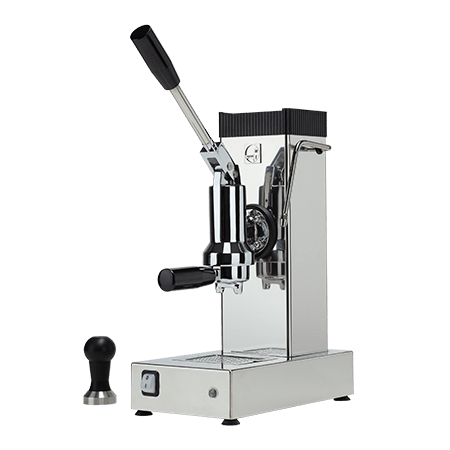
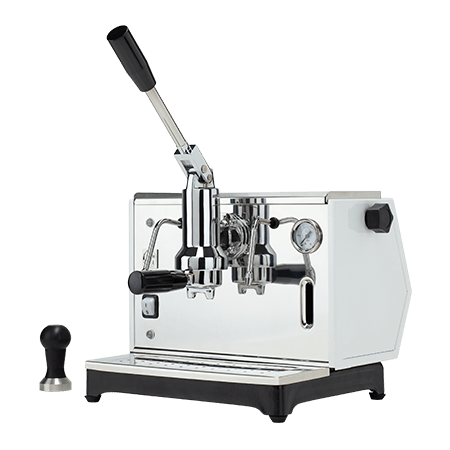
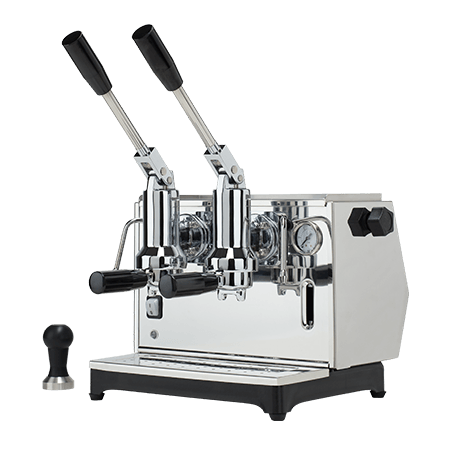
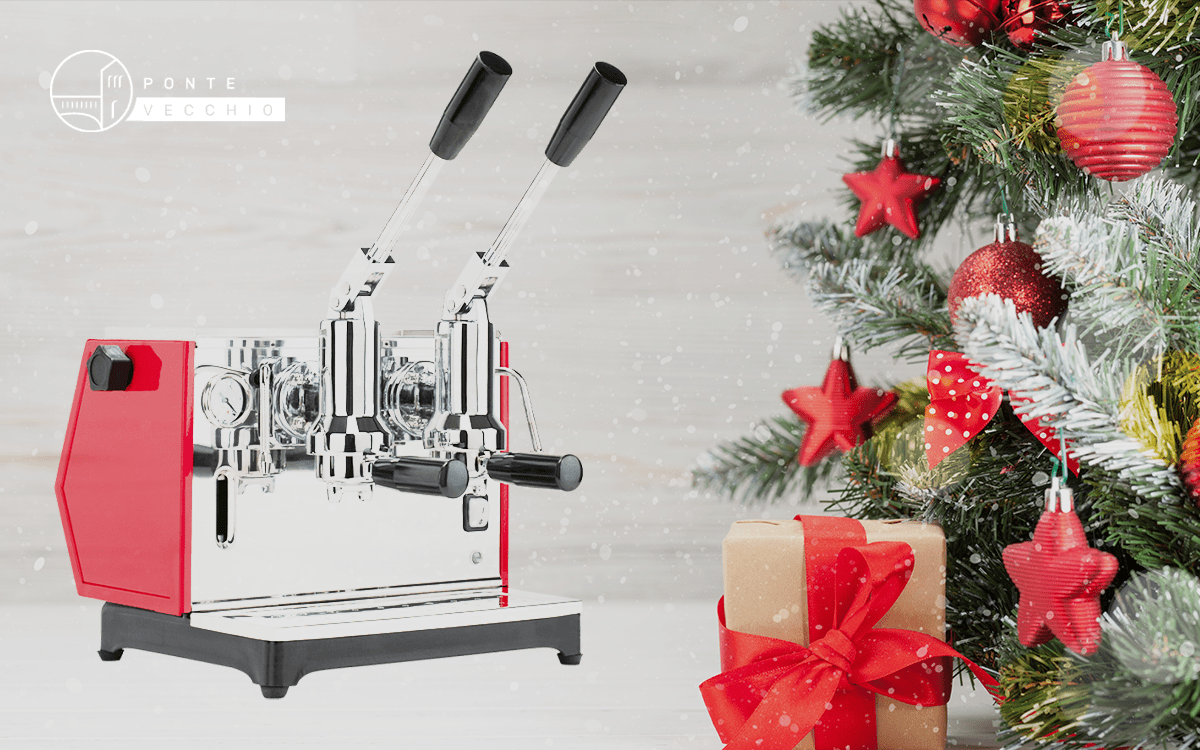
To enjoy bar-quality coffee every day, consider investing in a Ponte Vecchio lever espresso machine, allowing you to prepare authentic Italian espresso in the comfort of your own home.