

Coffee is one of the most consumed beverages in the world, and everyone has their own personal favourite version.
In Italy, many people like to enjoy coffee at the bar, either with friends or alone.
The drink extracted from the Coffea plant really brings everyone together.
But a question that concerns every consumer is whether coffee made with a coffee machine or with a moka pot is better.
What are the main differences between espresso coffee and the version prepared with a moka pot?
On a practical level, espresso coffee made with a machine is extracted through the percolation process. The machine is equipped with a special boiler that keeps the water pressure and temperature at stable levels. This ensures that the resulting beverage has an excellent flavour and that the characteristics are the same for each cup of coffee produced.
The moka pot has a mechanism that works differently and alters the characteristics of the coffee significantly compared to a professional coffee machine . In fact, its boiler is located in the lower part of the machine and the water does not reach the same pressure as in the machine. Thanks to the heat, the water turns into steam and rises to the top of the coffee maker as coffee.
These different mechanisms give very different results, both in terms of organoleptic properties and consistency. Let’s see what they are.
How do you make coffee with a moka pot?
Since the 1930s, the moka pot has become one of the most popular icons of Made in Italy in the world. In our country, it is difficult to find a home without one and, generally, when you drink coffee in someone else’s home, you expect it to be served in the historic coffee maker.
Its name is linked to the city of Mocha, a town in Yemen known for the quality of its coffee. And its invention bears the signature of Bialetti, who made it famous all over the world.
There are now numerous models of coffee machines, but the moka pot still works according to traditional principles. The machine consists of three components: a kettle, a filter and a collector. The coffee comes out thanks to the heating of the water placed at the base. All this has been happening in the same way for almost 100 years.
What are the steps to making coffee with a moka pot?
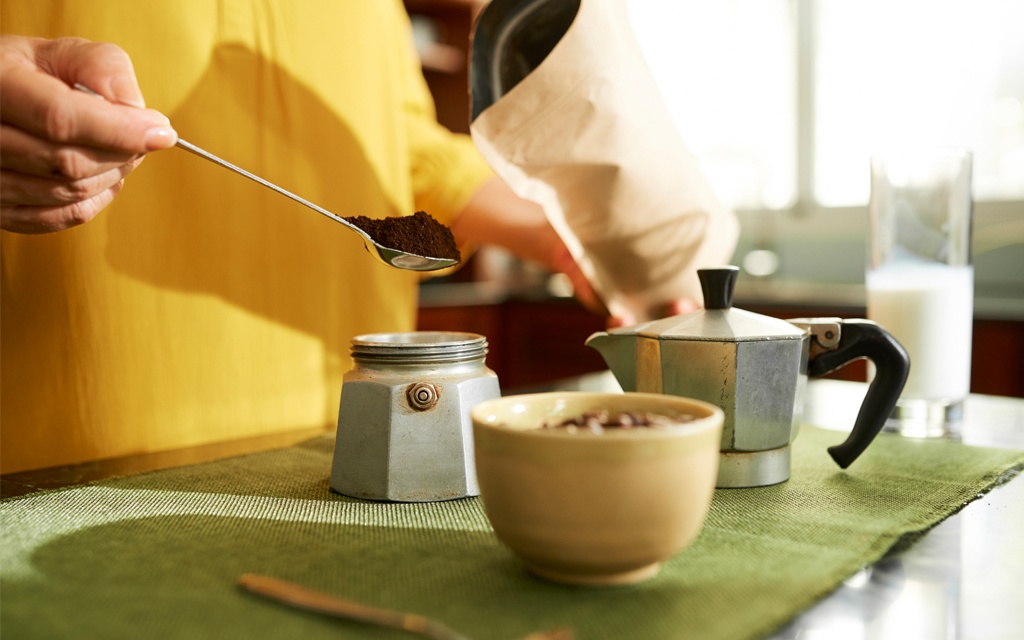
Using a moka pot doesn’t require great skill. Just follow a few simple steps:
- Fill the base with cold water. Be careful not to exceed the level of the valve.
- Insert the filter and fill it with ground coffee. Don’t press it down!
- Align the base with the kettle and screw the pot on.
- Set the burner to low and place the moka pot on the stove.
- When the coffee comes out, immediately remove the moka pot from the stove.
This process takes less than five minutes and results in a concentrated, caffeinated coffee.
A little secret to enhancing the aroma is to stir the coffee with a teaspoon while it’s still in the pot.
What are the cons of using a moka pot?
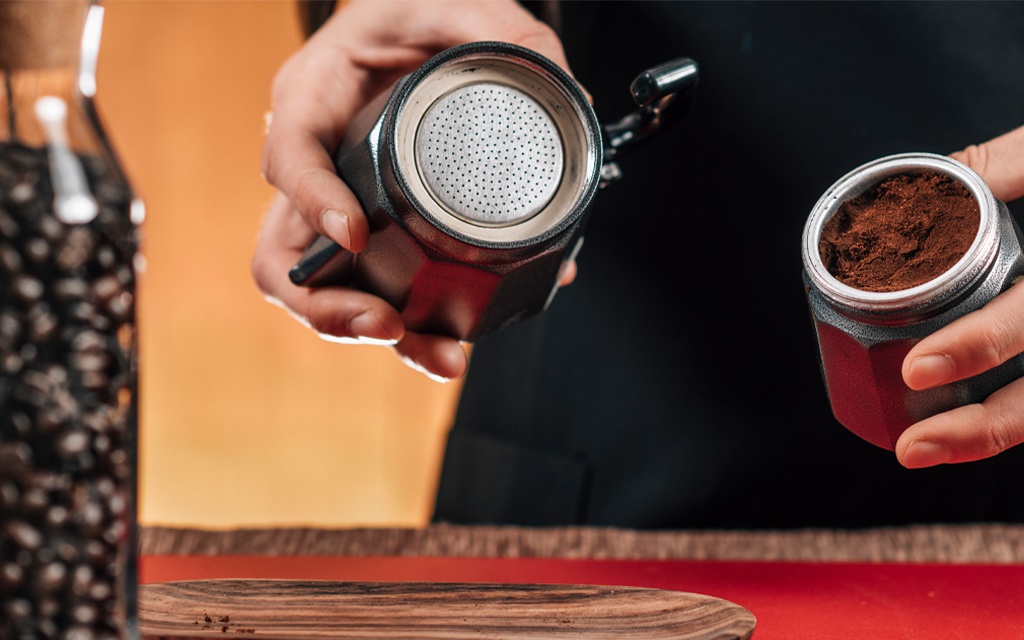
The moka pot is a symbol of our country, part of Italian tradition, and very few people don’t own one. Every Italian grandmother thinks there’s only one way to make coffee: fill the moka pot with water, pour the coffee into the filter, and wait for the bubbling sound that signals the coffee is ready.
In reality, the coffee made with a traditional coffee pot changes every time, and it’s impossible to always achieve the same result. In fact, there are many variations to monitor for each extraction, and it’s truly complicated to visually manage the water temperature, pressure, the right amount of coffee, and the amount of coffee extracted.
This can mean that the coffee extracted from the moka pot isn’t always good quite the opposite.
Sometimes the result can be excellent, but other times it’s easy to end up with a bitter, watery coffee.
And, unfortunately, there’s no way to achieve consistent results and guarantee that the coffee is always excellent and tasty.
From a health perspective, coffee made with a moka pot has a much higher caffeine content than espresso made with a lever machine, for example. The higher caffeine release is related to the slower filtering process. Therefore, to prevent side effects, it’s important to pay attention to the amount of ground coffee you put in the filter and the number of cups of coffee you drink each day.
Moka pot or espresso: which contains more caffeine?
One of the most frequently asked questions concerns caffeine content. Contrary to popular belief, the comparison isn’t so simple.
Moka pots tend to extract a higher amount of caffeine than espresso because the contact time between the water and the coffee is longer. However, espresso is more concentrated and is consumed in smaller quantities.
In a standard cup, coffee prepared with a moka pot may contain the same or slightly more caffeine than espresso. The actual amount, however, depends on several factors, including the blend used, the grind, the quantity of coffee used, and the extraction time.
For those wishing to limit their caffeine intake throughout the day, it’s important to consider not only the preparation method, but also the number of coffees consumed.
|
Aspect |
Moka Coffee |
Espresso Coffee |
|
Extraction time |
Longer |
Shorter |
|
Concentration of the drink |
Minor |
Greater |
|
Quantity served |
More abundant |
More reduced |
|
Caffeine content per cup |
Generally equal or slightly higher |
Generally lower or equivalent |
Moka or coffee machine? Here are the differences:
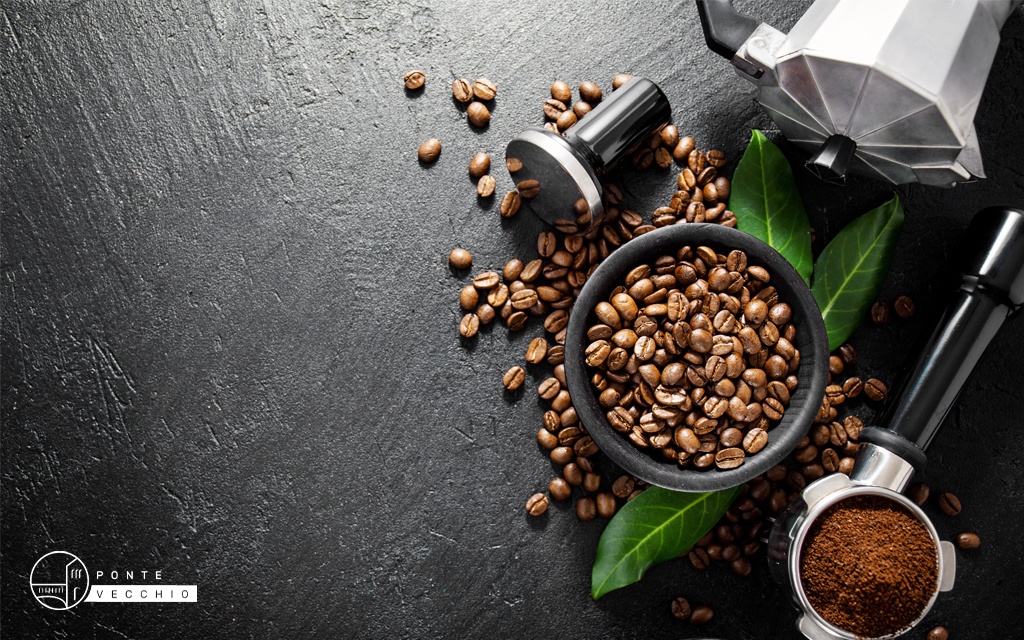
Regardless of taste and the quality of the blend used, coffee made with a coffee machine and coffee made with a moka pot are very different.
The structure of the equipment particularly affects the result.
- The professional coffee machine has a boiler that maintains constant temperature and water pressure, ensuring that the espresso always has the same taste and consistency.
- Coffee made with a moka pot, on the other hand, is never the same, and you run the risk of it being good one time, while other times it’s burnt or not tasting great.
The espresso machine is more functional and allows you to serve a large number of coffees in a flash, effortlessly and with long waits. And, above all, without mistakes!
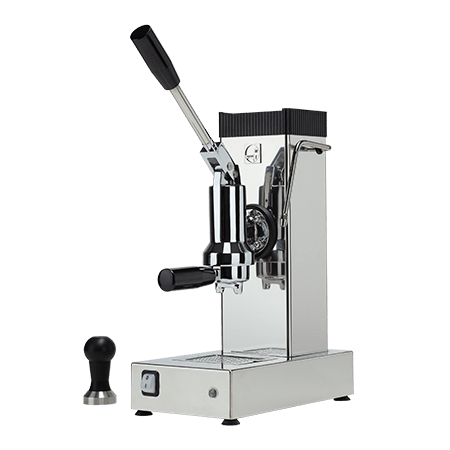
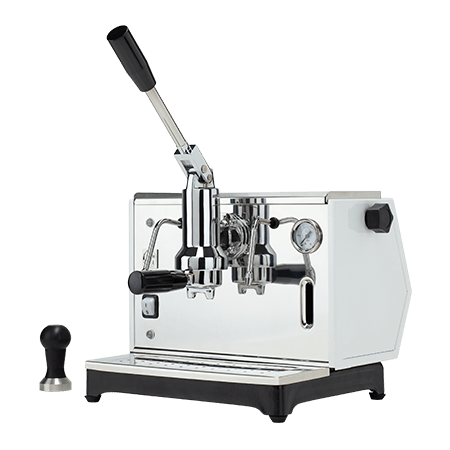
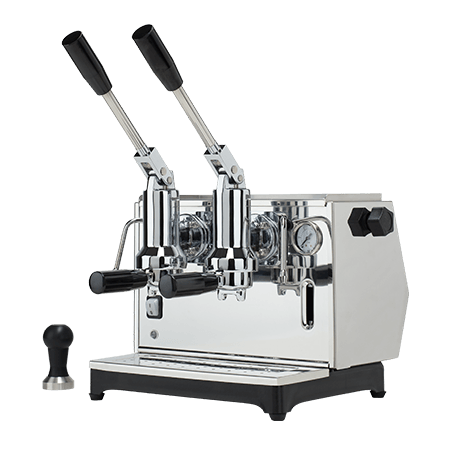
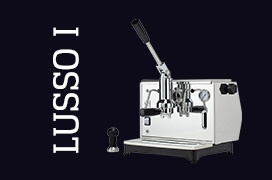
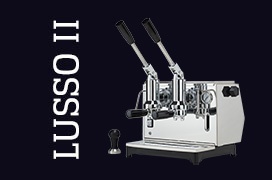
Pontevecchio lever coffee machines have a versatile design that adapts to any type of kitchen, making the machine a true furnishing accessory.
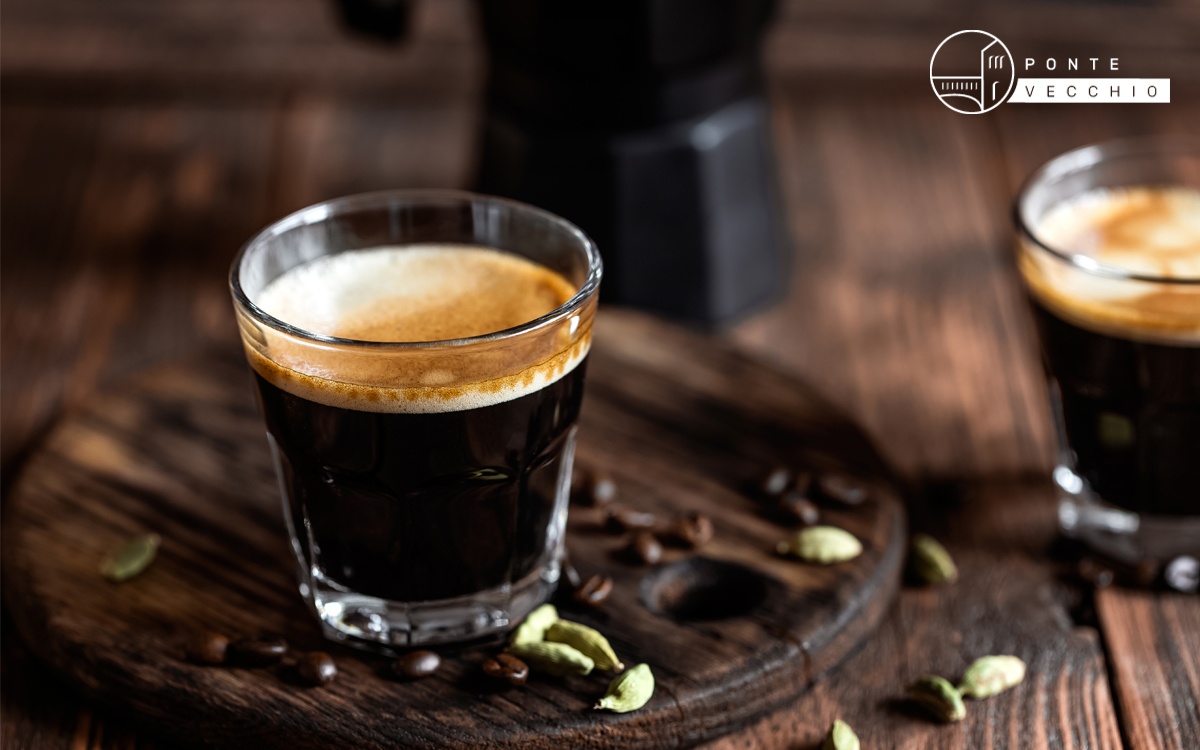
True espresso is precisely what you get with a professional coffee machine and has completely different organoleptic characteristics than coffee made with a moka pot. Besides flavor, the sensations the two types of coffee leave behind also differ:
- The aroma of espresso emerges as you sip it, retaining its aroma in the cup. The moka pot, on the other hand, diffuses its fragrance throughout the room, which is attenuated when sipped.
- The crema and body that characterize espresso are almost absent in moka pot coffee.
- The moka pot’s flavor is stronger, while the professional machine produces a smoother result.
- The espresso temperature is higher.
The main difference between espresso and moka pot coffee is therefore the taste! This, in fact, depends on all the factors we’ve mentioned, including the mechanics of the coffee machines and traditional coffee makers, the amount of caffeine, and the temperature.
|
Characteristic |
Moka |
Espresso coffee machine |
|
Water temperature |
Variable |
Constant |
|
Water pressure |
Variable |
Constant |
|
Aroma |
Widespread in the environment |
Retained in the cup |
|
Cream |
Almost absent |
Present |
|
Full-bodied |
Almost absent |
Present |
|
Taste |
Stronger |
More velvety |
|
Final result |
Variable |
Constant |
Which one do you prefer?

Coffee is one of the few drinks that is popular everywhere. Everyone has their own traditions and drinking habits, but there’s no home where the smell of coffee isn’t wafting in at least once in a while.
Among coffee lovers, one of the hottest topics of discussion is whether coffee made with a coffee maker or a moka pot is better.
Any grandmother would surely answer that the traditional coffee maker is the only suitable tool for making good coffee. But the reality is that everyone has their own tastes and habits!
Coffee made with a moka pot contains more caffeine and its flavor is stronger. Meanwhile, true espresso, prepared with a professional machine, has a more intense flavor, preserves its aroma intact in the cup, and is much creamier.
These differences are related to the structure of the machines, which manage the temperature and water pressure differently.
But to drink coffee as good as at the bar every day, there’s only one choice: a professional coffee machine, perhaps a lever-operated one, the only one capable of making a true espresso!
Discover Pontevecchio’s models; you’ll see that every day will have a special aroma.