

Making coffee that’s as good as the one served in your favorite café is a challenge that coffee lovers take on every morning.
The pursuit of the perfect cup usually starts with choosing a high-quality coffee machine, selecting a blend with a rich, intense aroma, and refining brewing techniques.
However, one essential factor is often overlooked: the water.
This isn’t simply about the amount of water used or the ratio between coffee grounds and water. Since 88% to 92% of a cup of coffee is made up of water, the quality of this ingredient plays a crucial role in the flavor, aroma, and overall quality of the final brew.
Many people assume that all water is the same, overlooking the differences between tap water, bottled water, hot water, and cold water. In reality, these differences matter—not only for your health but also for preserving the authentic taste of your coffee.
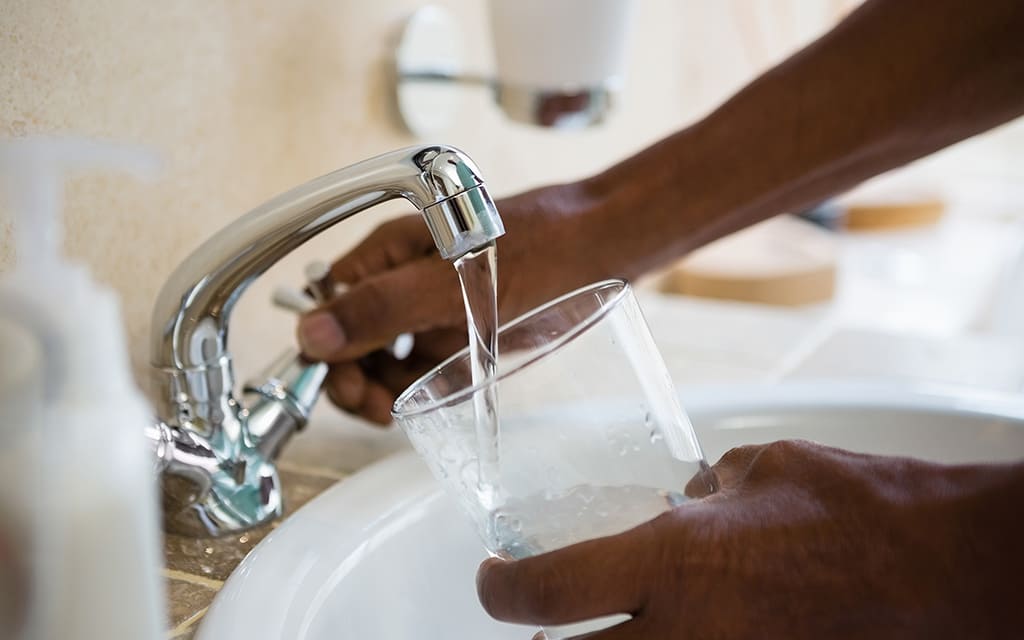
Tap water, for example, can negatively affect coffee extraction due to its mineral content and pH level.
In addition, these minerals can lead to limescale buildup inside your coffee maker, affecting both the machine’s performance and the quality of your coffee over time.
Even bottled water can influence the flavor of your coffee. If you choose to use it, it’s important to select one with the right mineral composition for coffee brewing.
So, which water should you use to make the perfect espresso?
Below, you’ll find some useful tips to help you choose the best water for brewing a delicious cup of espresso coffee.
A choice that makes a difference
Several factors contribute to brewing an excellent cup of coffee:
- The coffee blend
- The temperature and pressure of the coffee machine
- Whether the coffee is served in a ceramic or glass cup
- The quality of the water
Each of these elements plays an essential role in producing a great cup of coffee, whether you’re using a traditional Moka pot or a modern espresso machine.
Water, in particular, is one of the most important ingredients in coffee preparation. The quality of the ingredients directly affects not only the coffee’s flavor and aroma, but also the proper maintenance of your coffee machine.
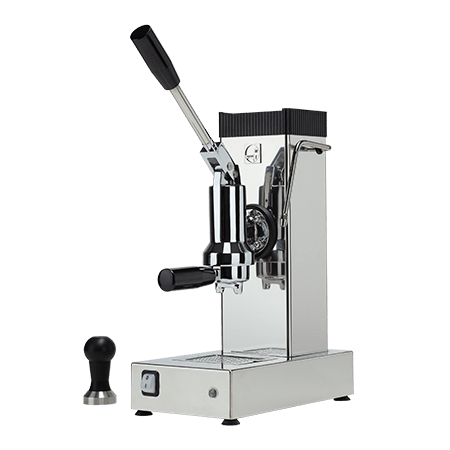
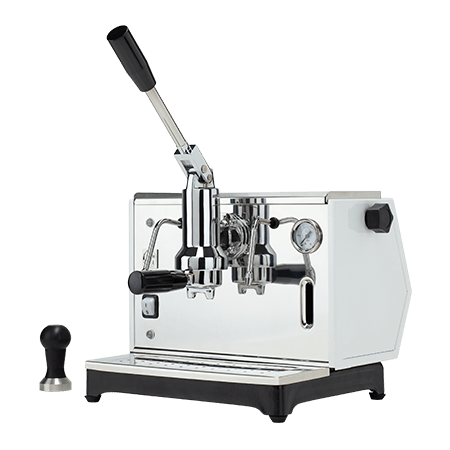
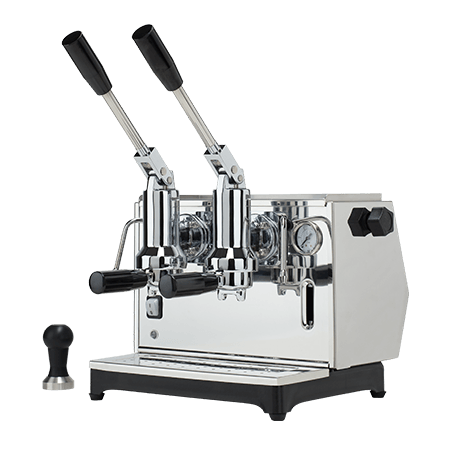
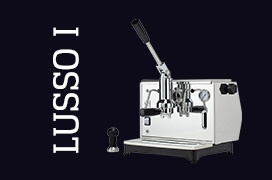
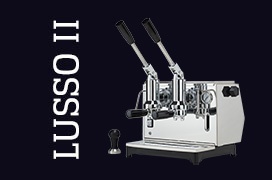
To keep your lever espresso machine performing at its best, it’s important to choose your water carefully. Doing so will help you enjoy great-tasting coffee every day while extending the lifespan of your machine.
|
Element |
Impact on the Final Result |
|
Coffee Blend |
Determines the coffee’s aroma, intensity, and flavor profile. |
|
Temperature & Pressure |
Affect the extraction of aromas and flavors. |
|
Cup Material (Ceramic or Glass) |
Influences heat retention and the drinking experience. |
|
Water |
Makes up 88–92% of the beverage and has a significant impact on its flavor. |
Does distilled water improve the quality of coffee?
Over the years, a common myth has emerged claiming that distilled water improves the taste of coffee. While distilled water does affect the flavor, the impact is actually negative.
Using distilled water in a coffee machine strips the coffee of its rich flavor and aromatic complexity. As a result, instead of enjoying a full-bodied espresso, you’ll end up with a dark but flat and flavorless beverage that lacks the characteristic qualities of great coffee.
The only real advantage of using demineralized or distilled water is that it helps protect your coffee machine. Since it contains virtually no minerals, it significantly reduces limescale buildup and residue, helping extend the lifespan of your machine.
But is it worth sacrificing flavor just to reduce maintenance?
Probably not. A much better solution is to use water with an appropriate mineral balance and perform regular cleaning and descaling of your coffee machine.
|
Characteristic |
Distilled Water |
|
Mineral Content |
None |
|
Impact on Flavor |
Reduces aroma and sensory characteristics |
|
Limescale Build-Up |
Minimal |
|
Effect on the Coffee Machine |
Better protection against mineral deposits and residue |
Can you use sparkling water to make coffee?
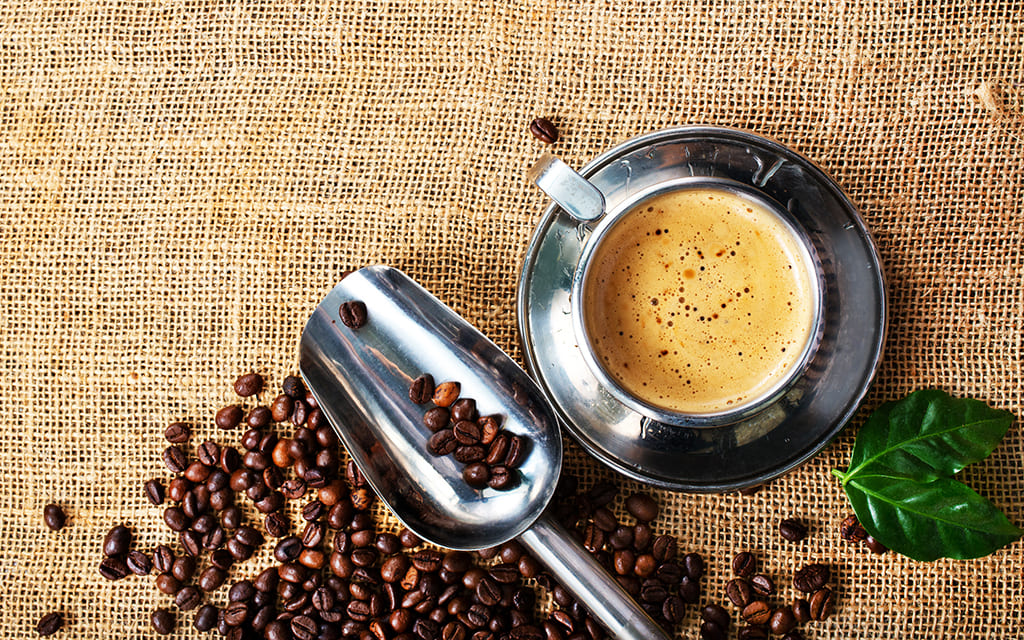
One of the most common questions about coffee preparation is whether sparkling water can be used instead of still water.
Some coffee enthusiasts claim that it is a secret trick for producing a richer espresso with a creamier texture. According to this belief, adding a small amount of sparkling water to the coffee machine enhances the coffee’s flavor and improves the crema.
In reality, sparkling water does not have any significant effect on the taste of coffee.
What it can do, however, is increase limescale buildup inside your coffee machine, potentially reducing its performance and lifespan over time.
The quality of your coffee depends far more on using a premium coffee blend and a well-designed coffee machine, whether for home or professional use. Sparkling water does not improve the flavor or the crema of your espresso.
|
Parameter |
Sparkling Water |
|
Impact on Flavor |
None |
|
Impact on Crema |
No proven effect |
|
Limescale Build-Up |
Higher |
|
Effect on the Coffee Machine |
May increase wear and mineral deposits over time |
How hard should the water be?
There is no single correct answer to this question. Water hardness can influence the aroma and flavor of coffee, and whether you prefer soft or hard water is ultimately a matter of personal taste.
When we talk about water hardness, we are referring to the concentration of minerals, particularly calcium and magnesium. According to some coffee enthusiasts, a higher concentration of these minerals—that is, hard water—can enhance the body and overall flavor of coffee.
However, not everyone agrees.
Others believe that hard water can actually reduce coffee’s flavor.
This is because minerals can bind to certain aromatic compounds during extraction, limiting the release of some of the coffee’s most delicate flavors. If you prefer softer water, you can reduce water hardness by using a water softener or an appropriate filtration system.
Water hardness also affects the lifespan of your coffee machine. Mineral deposits gradually accumulate inside the machine, leading to limescale buildup, which can reduce performance and increase maintenance requirements.
Ultimately, the best choice depends on your personal preferences. Experiment with different types of water to discover which produces the flavor profile you enjoy most.
|
Water Type |
Characteristics |
|
Hard Water |
Higher concentration of calcium and magnesium. |
|
Soft Water |
Lower mineral content. |
|
Hard Water & Coffee Machine |
Greater risk of limescale buildup. |
|
Soft Water & Coffee Machine |
Reduced mineral deposits and easier maintenance. |
Does water temperature affect coffee?
Many coffee enthusiasts focus on the quality of the water, but often overlook another crucial factor: its temperature during extraction.
If the water is too cold, extraction will be incomplete, resulting in a coffee that tastes weak, less aromatic, and slightly acidic. On the other hand, water that is too hot tends to extract an excessive amount of bitter compounds, producing an unbalanced and overly bitter cup.
According to the standards commonly adopted in the specialty coffee industry, the ideal water temperature for brewing coffee is generally between 90°C and 96°C (194°F–205°F). This temperature range allows the coffee’s aromas to develop fully while maintaining a balanced combination of sweetness, acidity, and bitterness.
Modern coffee machines are designed to maintain a stable brewing temperature throughout the extraction process. When using a traditional Moka pot, however, it is important to avoid overheating the water, as excessively high temperatures can negatively affect the final flavor of the coffee.
|
Water Temperature |
Effect on Coffee |
|
Below 90°C (194°F) |
Incomplete extraction, resulting in a weaker, less aromatic, and slightly acidic coffee. |
|
90°C–96°C (194°F–205°F) |
Balanced extraction that enhances the coffee’s aromas and flavor profile. |
|
Above 96°C (205°F) |
Increased extraction of bitter compounds, leading to a less balanced taste. |
Which bottled water do we recommend?
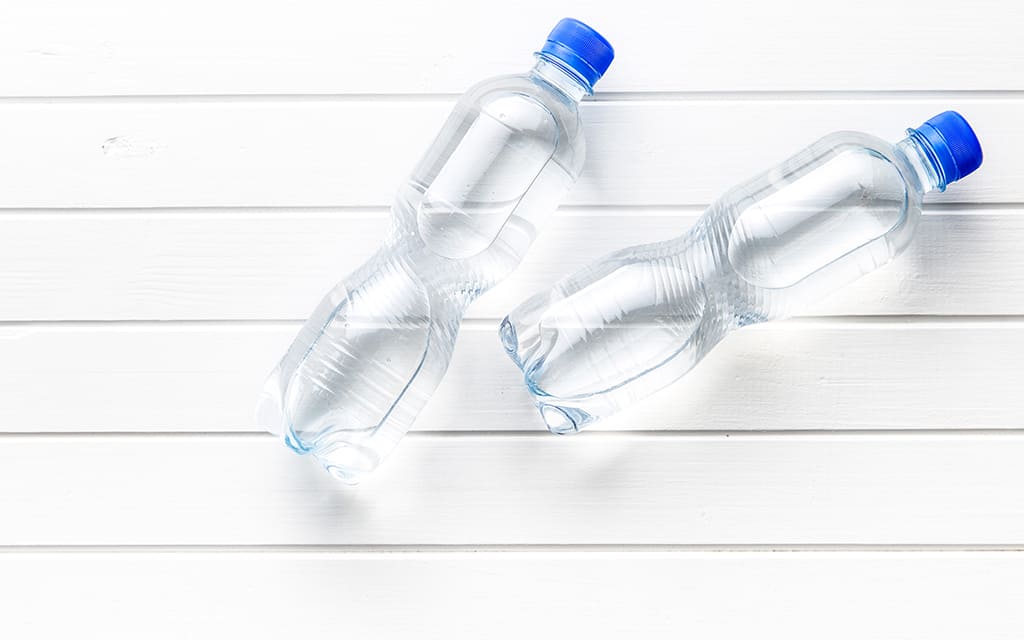
If you want to enjoy rich, flavorful coffee with a full aroma, the best choice is to use natural mineral water.
When selecting bottled water, pay close attention to its mineral content and hardness. Check the label to ensure that the total dissolved solids (TDS) are not excessively high and that the water contains a balanced amount of minerals. This will help preserve both the flavor of your coffee and the longevity of your coffee machine.
But what are the ideal water characteristics for brewing great coffee?
The Specialty Coffee Association (SCA) has established recommended water quality guidelines for optimal coffee extraction:
- Total Dissolved Solids (TDS): 75–250 mg/L
- pH: 6.5–7.5
- Calcium: 17–85 mg/L
- Sodium: Less than 10 mg/L
Unfortunately, tap water rarely matches these recommended values, and its composition can vary significantly depending on where you live.
If you’re serious about making great coffee, it’s worth keeping a bottle of natural mineral water in your coffee station at home.
Another simple but important tip is to clean your coffee machine’s water reservoir regularly. This helps prevent mineral deposits and residue from building up over time, ensuring consistently great-tasting coffee and better machine performance.
|
Parameter |
Recommended Value |
|
Total Dissolved Solids (TDS) |
75–250 mg/L |
|
pH |
6.5–7.5 |
|
Calcium |
17–85 mg/L |
|
Sodium |
Less than 10 mg/L |
Conclusion
Brewing an exceptional cup of coffee requires several key elements: a high-quality coffee blend, a well-designed coffee machine, and the right brewing technique.
But that’s not all. Since coffee is made up primarily of water, the quality of the water you use plays a fundamental role in the flavor and aroma of your espresso.
The water supplied to our homes rarely has the ideal characteristics for brewing outstanding coffee. Some people wonder whether using distilled water or adding sparkling water to their coffee machine can improve the taste. In reality, neither option enhances the flavor of coffee. While distilled water may help reduce mineral buildup and sparkling water has no proven benefits for extraction, neither provides a better-tasting espresso.
For the best results, we recommend using natural mineral water with a balanced mineral composition, paying particular attention to its total dissolved solids (TDS) and water hardness.
If you’re passionate about coffee and want to enjoy a rich, full-bodied espresso, discover our lever espresso machines. With Pontevecchio, every coffee break becomes an authentic Italian coffee experience.