

If you’re here it’s because you want to know the difference between coffee pods and capsules. Right?
Practical, hygienic, easy to use and with a guaranteed result: single-serve coffee packs have won over many coffee lovers precisely because of these qualities.
Although they share some similarities, the difference between coffee pods and capsules is truly remarkable.
Both the capsules and the pods are pre-dosed coffee packs.
Their system of use is really simple, simply insert one into the professional coffee machine and start brewing.
Thanks to the single-serve packs, coffee preparation has become faster.
There’s no more need to dose coffee to put it in the filter and, above all, the time for cleaning the gounds is reduced.
The good thing is that this does not come at the expense of taste: there are pods and capsules on the market made from high-quality coffee blends.
Also, as coffee is pre-dosed and already pressed, you don’t need to be an experienced barista to extract a good espresso.
The result is constant, as the parameters for coffee preparation stay the same.
So, what’s the difference between coffee pods and capsules?
Let’s go and see it together!
What is the difference between coffee pods and capsules?

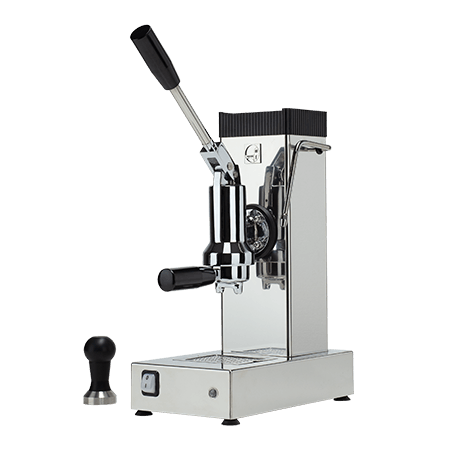
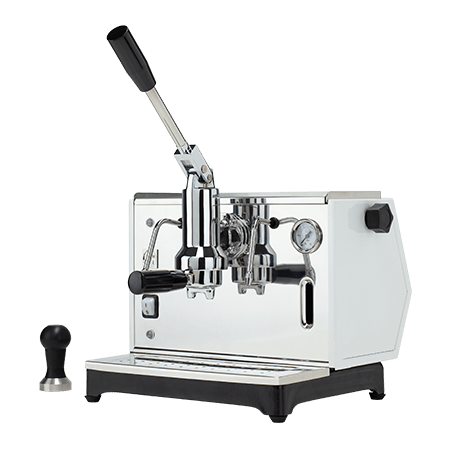
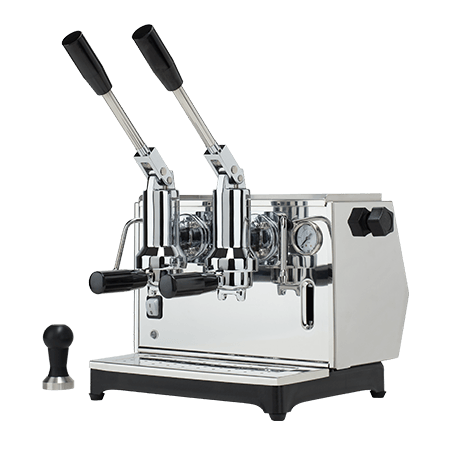
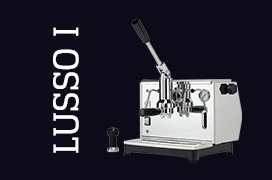
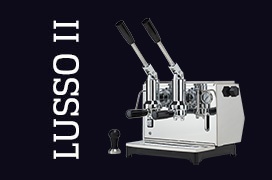
Pontevecchio lever coffee machines are compatible with pods and not with capsules.
Included in the accessories supplied with our lever machines, along with tools such as the press and funnel, is in fact the pod filter.
For this reason, we have decided to write an article about it, so as to help users not to confuse pods with capsules.
Let’s see them in detail.
Pod shell
Coffee pods are very similar to tea bags, generally made from rice paper. The pressed coffee powder is enclosed in a disc-shaped paper pod.
To use the pods, simply insert them into the coffee machine filter and start brewing.
On the other hand, coffee capsules are plastic or aluminium packages containing coffee powder.
They are usually cylindrical and the top is made of aluminium.
Moreover, pods are stored in shells made of the same materials used for mocha coffee, while the capsules keep the coffee vacuum-packed until extraction.
Coffee amount
Another difference is the amount of coffee contained. Capsules contain 5 grams of coffee while pods contain 7 grams.
Coffee cost
Pods cost less than half as much as capsules, i.e., the former are around 18 euro cents, while the cost of a coffee made from capsules easily exceeds 40 euro cents.
Shape
Capsules are usually cylindrical, but the shape depends very much on the machine they were created for, so they may vary by brand.
Pods, on the other hand, have a round shape.
Compatibility
In order to prepare espresso with capsules, you need to use a specific coffee machine. In general, each manufacturer creates its own coffee machine for its specific capsules.
However, there are brands on the market that create capsules that are compatible with the most popular machines.
Pods are compatible with most coffee machines with filter holders, thanks to the E.S.E. (Easy Serving Espresso) system.

Functioning
Capsules are inserted into the machine, which breaks the seal and extract coffee through high-pressure hot water, and then expels it into the special tank that needs to be emptied every few coffees.
Pods, on the other hand, are inserted into the filter holder and water passes through to extract coffee. Once extraction is complete, the pod must be removed manually and disposed of.
Capsules need more power during extraction, while pods need the slow pressure that normal coffee machines exert.
Environmental impact
The difference between pods and capsules is accentuated with regard to disposal.
Capsules must be thrown in plastic or metal, while pods are compostable and go in the organic waste bag.
While pods, however, do not pollute at all because they are biodegradable, the environmental impact of coffee capsules is devastating. With over 10 billions of coffee capsules sold worldwide every year, around 120 thousand tonnes of rubbish are generated, of which 12 thousand tonnes in Italy alone. Although they are made of plastic or aluminium, they are not disposed of properly, but end up in undifferentiated waste.
Why do we recommend pods?

So, what is the best product to have a good espresso?
If you need an expert opinion, our absolute preference is pods and we will also explain why.
Pods and capsules are two convenient systems for those who want to make coffee in a flash without getting dirty. However, although espresso is excellent in both cases, pods have better features.
First of all, pods contain a greater amount of coffee. This means that the coffee extracted from pods is more full-bodied.
Pods are also more environmentally friendly as they can be easily disposed of. As well as in the organic waste bag, they can be used as a natural fertiliser for plants and the garden.
Not only that! As we saw earlier, pods are less expensive. Capsules, being made of plastic or aluminium, have higher prices even in proportion to the amount of powder contained. Coffee in pods, in fact, costs around 26 euros per kilogram. For coffee sold in capsules, on the other hand, you pay around 58 euros per kilogram.
The other obvious advantage of pods is that they can be used with any coffee machine equipped with a pod filter.
A final advantage is the reduction of waste. The paper casing of pods, due to its porosity, allows water to come into contact with the entire coffee grounds, without the product remaining unused or being wasted.
If you are looking for a pod coffee machine, check out Pontevecchio models!
Our lever coffee machines are suitable both for home use and for small hospitality businesses such as bed & breakfast and farmhouses.
All the machines in our store can be used both with ground coffee and with pods, so that you can prepare a high-quality espresso in the way you prefer.