

There’s a reason coffee is so beloved across the globe: it can be strong or delicate, bitter or sweet, simple or surprising. It’s a drink that suits everyone, but it can also amaze. And if there’s one type of coffee that truly surprises, it’s Vietnamese coffee.
It’s not just good, it’s different. It has a bold flavor, a rich history, and so many variations that make you want to try them all. We fell in love with it at first taste, and that’s why we want to tell you about it.
Here you will find everything you need to know about Vietnamese coffee without flying to Hanoi.
History and origins of Vietnamese coffee
The history of coffee in Vietnam dates back a long way, to 1857, when the French brought the first Arabica seedlings to the country, during the colonial period. They planted them in the mountainous areas of central Vietnam and… the rest is history.
Due to the favorable climate and mineral-rich soil, coffee quickly took root. Soon after, the more hardy and adaptable Robusta variety arrived and ended up being the true protagonist. The cultivation spread throughout the country, becoming a key economic resource.
Then, however, the war started. And for years, everything stopped. It was only after 1975, with the end of the conflict, that the agricultural sector began to rebuild. In the 1980s, with the Doi Moi reforms, coffee returned to its former glory, finally opening up to the international market. What about today?
Today Vietnam is the world’s second largest coffee producer, after Brazil.
A nice comeback, huh?
Where is coffee cultivated in Vietnam?
Vietnamese coffee grows high in the mountains. The most important areas are those of the central plateau, where the climate is cool, the humidity is just right, and the soil is perfect for growing healthy, fragrant plants.
Đắk Lắk province, for example, is the home of Robusta. Much of the strong, dark coffee that characterizes Vietnamese tradition comes from here. But if you enjoy more delicate flavors, then you’ll love the coffee of Lâm Đồng and the city of Đà Lạt, famous for its Arabica and its almost “European” climate.
And then there’s the north of the country, where Arabica coffee grows thanks to the altitude and cooler temperatures. Small-scale plantations, perhaps less well-known, but often of excellent quality.
In short, wherever you go in Vietnam, you’ll find a different way of growing and loving coffee.
Characteristics of Vietnamese coffee
When it comes to Vietnamese coffee, the first word that comes to mind is: character. This coffee has a strong and decisive personality, just like the people who drink it. The most widely grown variety in Vietnam is Robusta, which alone accounts for almost all of the country’s production. And yes, it’s called that for a reason: it’s a nice, roasty coffee, with twice the caffeine than Arabica. In short, it’s not for the faint of heart (but perfect for those who need a serious wake-up call in the morning!).
The taste? Intense, full-bodied, a little bitter, with those deep notes reminiscent of dark chocolate, wood, and sometimes even tobacco. And if you get a well-crafted roast (as often happens in Vietnam), you might even detect nuances of hazelnut and caramel. A true treat, but with grit.
Another thing to know is that Vietnamese coffee is never watery. On the contrary: thanks to the slow preparation with the phin filter, it becomes dense and velvety, almost syrupy. This makes it perfect for mixing with condensed milk, whipped egg yolks, or even yogurt. And it’s precisely this ability to pair so well with sweet, creamy, or tart flavors that makes this coffee so unique.
How do you drink coffee in Vietnam?
In Vietnam, coffee isn’t just something you drink — it’s something you live. It’s a ritual, a moment to savor slowly, sitting on a low stool by the street, maybe while watching life unfold lazily around you. Forget about grabbing a quick coffee at the counter — here, you take your time, you sit down, and wait patiently as the phin filter does its job, drop by drop. A little zen moment.
Coffee is served in many different ways, but what never changes is the care that goes into its preparation. Every cup is a small ritual, often handmade, often right in front of your eyes. And there’s no single “right way” to drink it, because everyone has their own favorite version.
In the north, for example, people tend to prefer strong, bitter coffee, usually served hot. In the south, on the other hand, the warmer climate has inspired cooler and sweeter habits — like iced coffee with condensed milk (Cà Phê Sữa Đá), which has become a true icon. One sip, and you’re transported to a Saigon alleyway, with the hum of scooters and the scent of street food in the air.
And then there are the specialties: like egg coffee, born in Hanoi during a time when milk was scarce. The idea? Whipping egg yolks with sugar and condensed milk to create a frothy cream to pour over hot coffee. The result is sweet, velvety, and surprising — like a tiramisu in a cup, but lighter and more fragrant.
Some people love to experiment: coffee with yogurt and fruit, or with coconut milk and crushed ice — perfect for when the heat becomes unbearable. Some even drink it for breakfast alongside a bowl of pho, the typical Vietnamese soup. It might sound strange, but it works!
In short: coffee in Vietnam is part of everyday life — a habit that brings together different generations and tastes. Whether you prefer it sweet or bitter, hot or cold, classic or experimental, in Vietnam you’ll always find a new way to love it. And maybe, once you’re back home, you won’t be able to live without it anymore.
How do you make classic Vietnamese coffee at home?
Mouth watering? Don’t worry — you’re in good company. The best part is, you don’t need to be in Vietnam to enjoy a delicious Vietnamese coffee: all you need is a bit of patience, the right tools, and the willingness to try something new.
The most authentic method uses the phin filter. It’s a small stainless steel tool that sits directly on top of your cup. You put medium-coarse ground coffee inside, tamp it down lightly, pour a small amount of hot water to let the grounds “bloom,” and then add the rest of the water. From there, just wait: the coffee slowly drips down, drop by drop, and in a few minutes, your cup is ready.
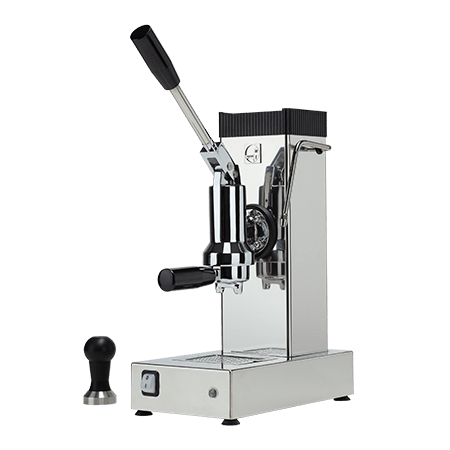
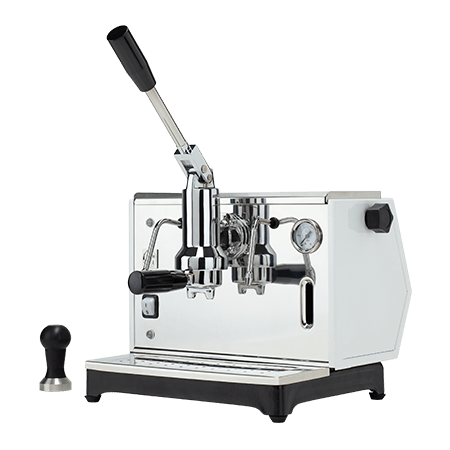
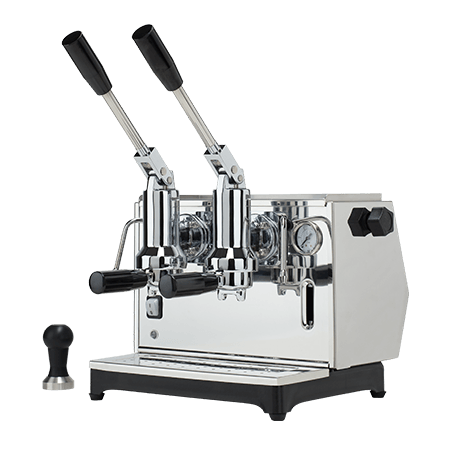
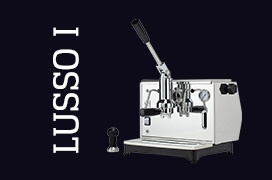
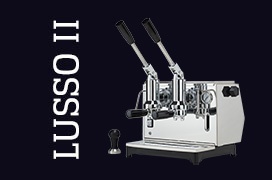
Like it sweet? Add some condensed milk to the bottom of the cup before brewing. Want a more modern take? You can also use a lever machine — it may not be traditional, but it delivers a surprising result, perfect if you love espresso but want to feel the Vietnamese soul in your cup.
For an even more authentic experience, we recommend trying one of Trung Nguyen’s blends, like Sang Tao: Arabica, Robusta, or a mix of both. There’s something for every taste.
Conclusions
Vietnamese coffee isn’t just a drink — it’s an experience, a slow and profound ritual that tells a story of tradition, resilience, and creativity. Each cup is a small journey through intense aromas, bold flavors, and gestures passed down through generations.
Whether you choose to make it with the classic phin filter or give it a more modern twist, one thing is certain: the quality of the extraction makes all the difference. So, if you truly want to enjoy the best of this unique coffee, choose the coffee machine that suits you — perhaps a lever machine, perfect for preserving the rich aroma and full-bodied character typical of Vietnamese coffee.