



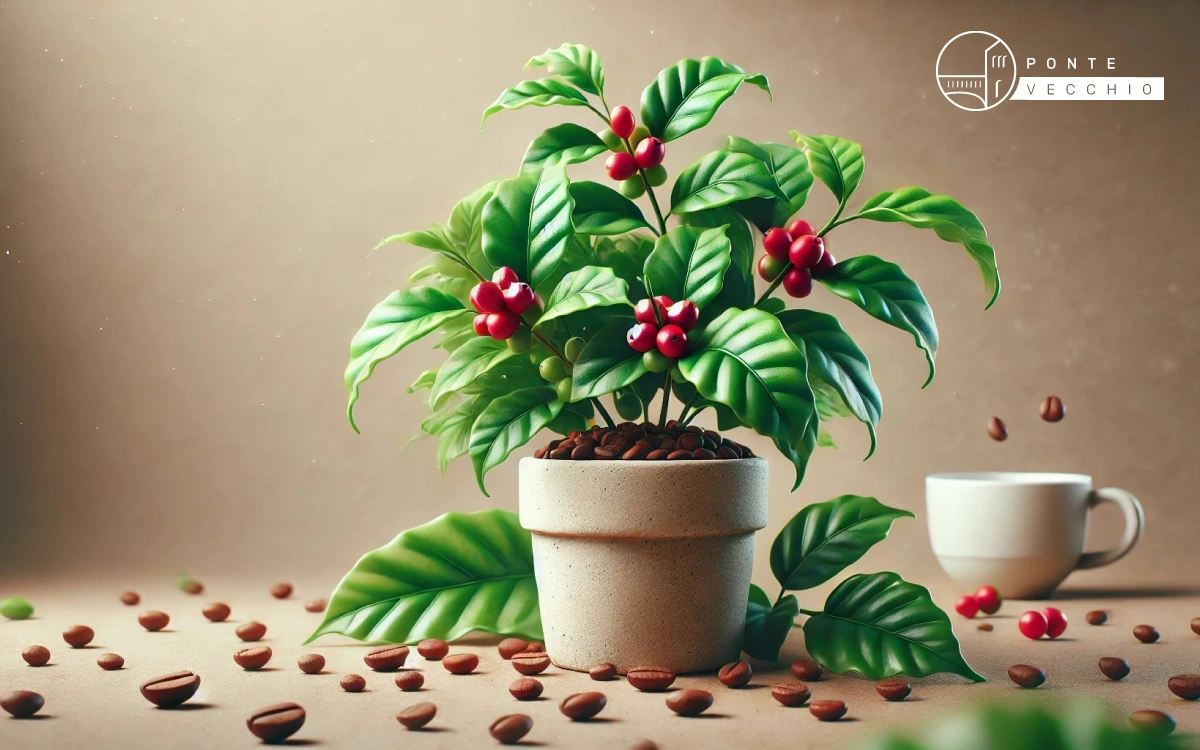
If you are a coffee lover and have ever dreamed of growing your own arabica coffee plant at home, you are in the right place.
Imagine waking up in the morning and picking fresh beans from your plant to prepare a perfect espresso. Coffea Arabica, known for its superior quality and refined taste, is the ideal choice if you want to start this fascinating adventure.
Growing Arabica coffee in pots is easier than you think, and with the right tips, you can turn your balcony or garden into an exotic corner.
In this article we will take you step by step through everything you need to know: from choosing the right pot to watering techniques and the secrets of effective fertilisation. Get ready to discover how to turn your passion for coffee into a real growing experience.
Remember, we know coffee and we are here to help you realise your dream.
Growing Arabica coffee in pots
In its countries of origin, Coffea Arabica grows into an imposing tree of almost 10 metres, flowering and producing fruits known as drupes. These drupes, initially green, ripen going through different colour phases, turning red and finally brown, at which point the seed can be extracted which, once roasted, becomes the coffee bean we know.
However, when grown in pots in our homes, Coffea Arabica remains a smaller plant, reaching a maximum height of 100-120 cm. Although it does not flower or produce beans in this context, the coffee plant still stands out as an elegant house plant. Its glossy, ovoid-shaped, deep green leaves make it an excellent ornamental choice for those who want to add an exotic touch to their home.
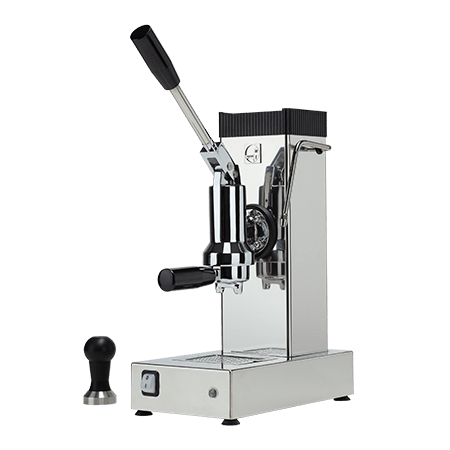
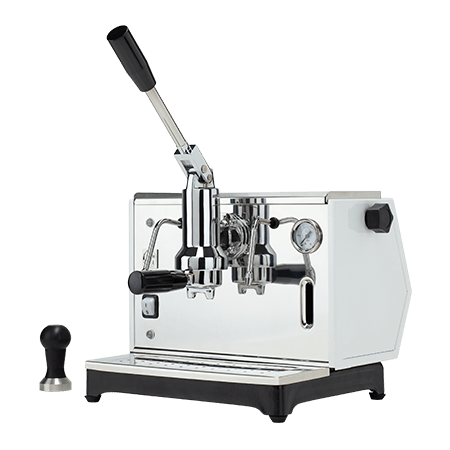
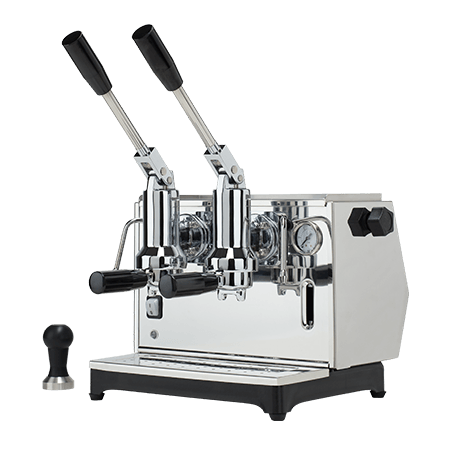
Remember that if you want to drink good coffee, you should do it with the right machine: discover the right coffee machine for you.
Where to grow Arabica coffee
The coffee plant is a tropical evergreen that adapts well to domestic environments, provided that conditions are optimal.
Native to warm regions, it prefers temperatures between 18°C and 24°C, tolerating summer heat well, but suffering below 12°C. For this reason, it is ideal to grow it indoors, where we can control the climate.
It is also important to choose a location that is well lit but not directly exposed to sunlight to prevent the leaves from burning or yellowing, especially if the plant is near south-facing windows. In summer, the coffee plant can be moved outdoors to a terrace, as long as it is in the shade. In addition, the leaves are slightly toxic and can cause discomfort if ingested; it is therefore important to place it out of the reach of children and pets.
How to water the arabica coffee plant
Watering is crucial for the well-being of the coffee plant, which is particularly sensitive to water stress. It is essential to keep the soil constantly moist, preventing it from drying out too much between watering. However, care must be taken not to leave stagnant water in the saucer, as this could encourage the development of fungal diseases.
A good balance of watering helps to keep the plant healthy and lush, allowing it to develop strong, shiny leaves, which are distinctive features of this elegant houseplant.
How to repot the Arabica coffee plant
When receiving a coffee plant, it is often delivered in small containers or ornamental cups. These may look pretty, but are rarely ideal for the long-term growth of the plant. It is important that the pot has a hole in the bottom to allow excess water to drain away. If the plant is still in its original container or has simply outgrown its current pot, it is time to repot it in a larger one, preferably at least 20-25 cm in diameter.
Start by preparing the new pot with a layer of expanded clay pellets in the bottom to improve drainage and prevent water stagnation, which can cause root diseases. The coffee plant prefers slightly acidic soil, so choose a specific substrate for acidophilic plants. Repotting must be done carefully, avoiding damage to the roots.
Every two years, repeat the repotting process, moving to a slightly larger pot. Avoid choosing a pot that is too large from the start, as the plant may focus on root growth instead of leaf growth.
Repotting regularly also allows you to renew the potting soil, which tends to lose its ability to retain moisture over time, even if it is fertilised regularly. This ensures that your coffee plant always has an optimal environment in which to thrive.
How to fertilise the arabica coffee plant
Fertilisation is a crucial aspect of keeping the coffee plant healthy, as the nutrients in the soil are quickly depleted. To ensure vigorous growth, it is important to use a liquid fertiliser specifically for acidophilic plants. This type of fertiliser is formulated to meet the nutritional needs of the coffee plant.
During spring and summer, when the plant is in full growth, dilute the fertiliser in the irrigation water and administer it every 15 days. In the colder months, in autumn and winter, growth slows down and fertilisation can be reduced to once a month.
Be sure to follow the manufacturer’s directions for the correct doses and avoid overdoing it, as over-fertilisation can damage the roots.
With regular and adequate feeding, your coffee plant will remain healthy and flourishing.
Conclusion
Growing Coffea Arabica in pots is a rewarding experience that allows you to bring a touch of exoticism into your home, transforming your environment into a green oasis. With the right effort in caring for the plant, you can enjoy its lush beauty and feel closer to your passion for coffee.
And while growing is a fascinating journey, if you want to drink good coffee, you should do it with the right machine. Pontevecchio’s lever coffee machines allow you to enjoy a perfect espresso, completing your experience with style and quality.