


In Italy, coffee is more than just a habit: it’s a shared language, an identity-driven gesture, a moment that marks the rhythm of the day. And the moka pot, despite trends and new technologies, remains the most faithful companion. Understanding how to make coffee with a moka pot properly means honoring a ritual that spans generations, turning a few simple ingredients into an irresistible aromatic experience.
Today, we’ll explain how to prepare a full-bodied, velvety, and perfectly balanced coffee, with practical and quick tips.
Choosing the right coffee blend
The heart of coffee is… the coffee itself. The blend determines aroma, body, crema, and even the final sensation on the palate.
Arabica or Robusta?
- Arabica → aromatic, fragrant, sweet, with pleasant acidity.
- Robusta → fuller-bodied, intense, bitter, with a thicker crema.
Moka blends are usually balanced, but the choice depends on personal taste: if you want a more velvety and fragrant coffee, a blend richer in Arabica is better; if you prefer intensity and body, choose a more robust blend.
Ideal grind
To obtain a good coffee with a moka pot, the grind should be medium:
- finer → you risk burning the coffee;
- coarser → the water passes through too quickly and the result is watery.
Store coffee in an airtight container and use it within a few weeks to maintain maximum freshness.
How much to fill the moka filter
The filter should be filled to the brim, without pressing down, without forming a mound and without leaving any empty spaces. The water flow must pass through the coffee evenly: pressing it down would hinder proper extraction, making the coffee bitter or “burnt”.
A simple trick? Shake the filter gently after filling it, so that the powder settles on its own without compression.
Choosing the right water: a detail that changes everything
Water accounts for over 90% of the final drink: choosing it carefully is essential.
Which one to use
- Choose water that is low in calcium.
- If your tap water is very hard, use light bottled water.
Perfect level
The water should come just below the valve.
If it exceeds this level, you risk:
- overcooked and burnt coffee;
- a bitter and unbalanced flavour.
If, on the other hand, it is too low, the moka pot will overheat and the coffee will be too concentrated.
Assemble the moka pot correctly
A well-screwed moka pot guarantees safety and uniform extraction. Do not overtighten: this will damage the gasket and compromise the vapour seal. Make sure that:
- the gasket is intact;
- the filter is not deformed;
- there are no residues between the two parts.
The moka pot works under pressure: cleanliness and sealing are essential.
Low heat: the secret to perfect coffee
To make creamy coffee with a moka pot, the heat must be low. Gentle heat allows the water to rise slowly, extracting the essential oils without burning the mixture.
When should you remove the moka pot from the heat?
Look for two signs:
- the flow becomes clearer;
- the bubbling increases.
At that point, turn off the heat. The residual heat will complete the extraction without overheating the mixture.
How to make American coffee with a moka pot
The simplest alternative to American coffee from a café. Just follow these three steps:
- Prepare a concentrated coffee with the moka pot.
- Heat some water separately.
- Combine in a cup: first the coffee, then as much water as needed.
The trick to preserving the aroma? Add the water gradually and stir gently.
Cleaning and maintenance: the pillars of good coffee
A dirty moka pot alters the flavour: burnt oil residues give it a rancid, metallic taste.
After each use:
- take the moka pot apart
- rinse with water only
- dry thoroughly
- leave the pieces apart to prevent mould
Every now and then:
- check and replace the gasket
- check the filter
- check the safety valve
A well-maintained moka pot will last for years and guarantee consistently good coffee.
Mistakes to avoid
- Filling the water chamber up to the valve
- Pressing the mixture into the filter
- Using too high a flame
- Leaving the moka pot on the heat until it whistles loudly
- Not stirring the coffee in the upper chamber
- Using old or oxidised coffee
Avoiding these mistakes will result in a real leap in quality in the final result.
Moka pots on induction hobs
More and more modern kitchens are using induction hobs, but not all moka pots are compatible with this type of surface. You need a steel moka pot or one with a magnetic base (aluminium ones are not recognised).
Do moka pots work on induction hobs?
- They only work if they are made of steel or if the base contains a magnetic layer.
- Traditional aluminium moka pots are not recognised by induction hobs.
To check if your moka pot is compatible, simply place a magnet on the base: if it sticks, it will work; otherwise, you will need an adapter.
To regulate the heat, set the power to low or medium-low, as induction heats up very quickly. A slow rise in temperature ensures a more intense aroma and creamier coffee.
Conclusion
Now that you know all the steps to prepare a perfect coffee with a moka pot, you can turn this daily ritual into a moment of pure pleasure. The right blend, the correct amount of water, low heat and constant cleaning of the moka pot are essential elements for obtaining an aromatic, balanced and creamy drink every day.
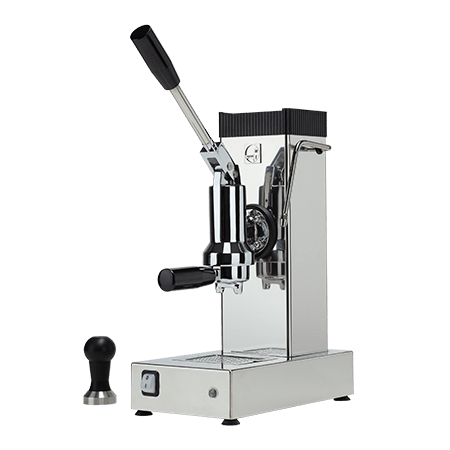
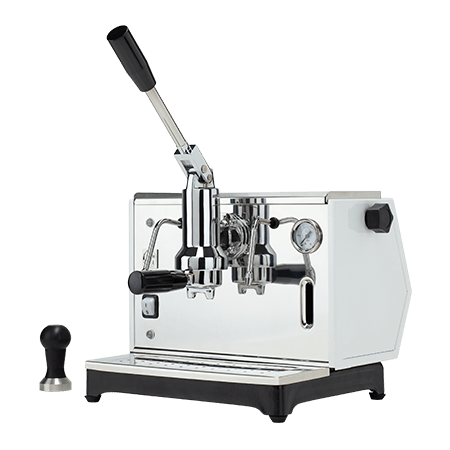
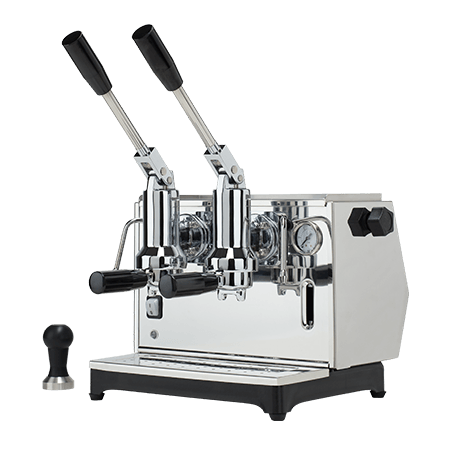
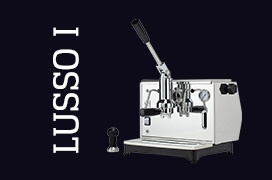
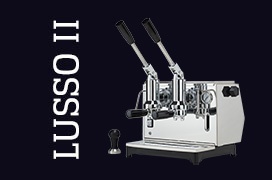
And if you love the moka pot but occasionally prefer the practicality and convenience of a coffee machine, you will find various models on our website: from bar-style coffee machines to smaller lever coffee machines, designed to produce high-quality coffee at home.