

Dear coffee lover, if you are here, chances are that you, like us, are not satisfied with the usual espresso. You like to explore the world of coffee, discover new taste nuances and maybe even the stories behind each cup. Today, we invite you to take a step back in time to unveil the mysteries of one of the world’s most popular beverages: the cappuccino.
It is not simply a latte macchiato with milk foam, but a true ritual, a sensory experience rooted in a fascinating history. And the best thing? Is that you too can recreate this little masterpiece in your own kitchen, to start your day with a smile or treat yourself to a break of pure pleasure.
If you are curious to know who invented the cappuccino, to find out the origins of its name and what its different variations are, then make yourself comfortable.
Read on and get ready for a journey into the world of coffee that is sure to fascinate you. And if, at the end, you feel like making a good cappuccino, well, don’t be surprised!
History and origins of the name cappuccino
Yes, the history of the cappuccino is shrouded in mystery and has its roots in a past with an international flavour. Although today we associate it inextricably with Italy, it seems that the first versions of this delight originated in Vienna, Austria. Here, in the late 17th century, a drink called ‘Kapuziner’, an ancestor of our cappuccino, was popular, consisting of coffee, a small amount of cream or milk and sometimes sugar.
But where does the name come from? Here another curiosity comes into play: the term ‘cappuccino’ would seem to be a tribute to the colour of the habit of the Capuchin monks, a religious order founded in the 16th century, whose brown habit is very reminiscent of the colour of the drink.
It is said that one of the first cappuccinos was born by chance, back in 1683. It is said, in fact, that Friar Marco d’Aviano, sent to Vienna as a diplomat, found the coffee too bitter and decided to dilute it with milk or cream. The association of the drink with his monastic order, the Capuchin friars, gave rise to the name we know today.
However, it should be emphasised that the cappuccino we enjoy sipping today is quite different from these ancient versions. In fact, its evolution is mainly linked to the advent of espresso machines in Italy in the 20th century.
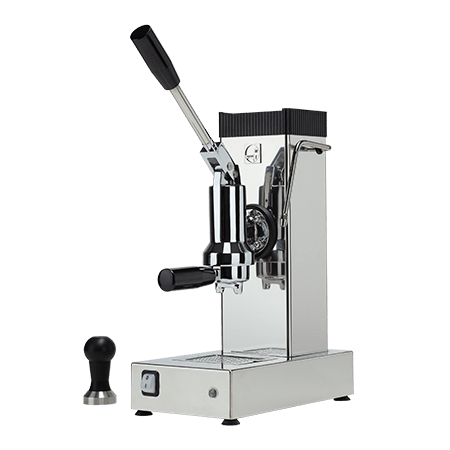
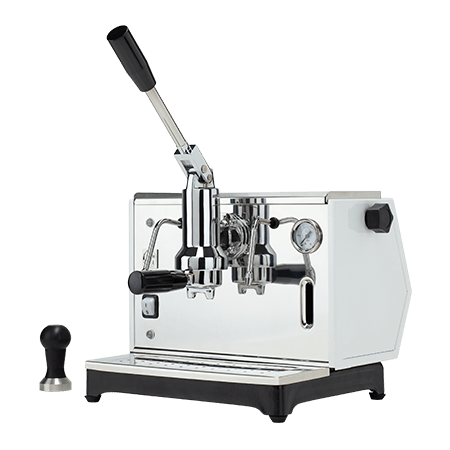
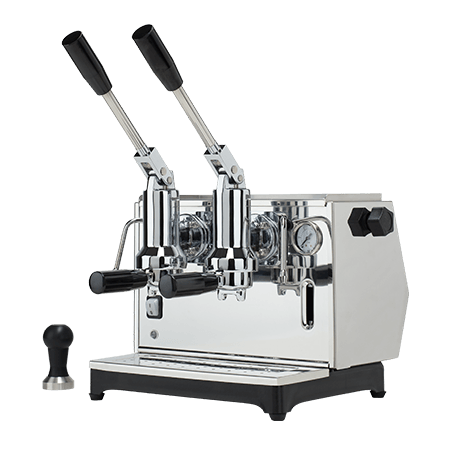
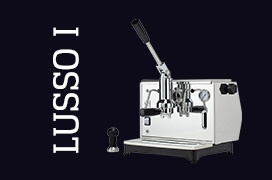
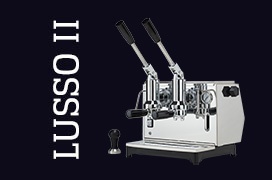
On the other hand, it all stems from there: if you want to drink good coffee, you should do it with the right machine. Discover the right coffee machine for you.
Kinds of cappuccino
Of course, the classic cappuccino with cow’s milk is an institution, but the world of coffee is constantly evolving, and so are its variants. In recent years, thanks also to the growing attention to plant-based alternatives, more and more cafés are offering cappuccinos made with different milks. Have you ever tasted, for example, a cappuccino with soya, rice, almond, coconut or oat milk? Each of these milks gives a unique experience, a twist to a drink we love.
It is well known that cow’s milk is the undisputed king when it comes to cappuccino. Its rich fat composition allows for a thick, velvety foam, perfect for creating that magic we love so much. But fear not, vegetable alternatives can also give great satisfaction.
Soya milk, for example, is one of the best substitutes for cow’s milk, especially for those who follow a vegan diet or are intolerant to milk proteins. In spite of its low fat content, it whips up quite well, giving an appreciable foam. If, on the other hand, you prefer a milder flavour, you can try almond milk cappuccino, which has a sweet and slightly vanilla taste, although you have to keep in mind that its flavour can cover up a bit that of coffee.
Rice milk, on the other hand, is less successful in cappuccino making, as its low fat content makes it difficult to get a froth worthy of the name, but it is a good choice for staining iced coffee.
But what about oat milk? This alternative, sweeter and with a moderate fat content, lends itself well to creating a frothy cappuccino with a unique taste.
In short, the choice is wide and varied. If you like to experiment, the world of alternative cappuccinos is waiting to be discovered!
Curiosities about cappuccino
After having explored the history and variations of the cappuccino, it is now time to unveil some interesting facts that will make this drink even more fascinating.
Get ready to discover some fun anecdotes and a couple of facts that will allow you to enjoy our favourite drink even more!
The origin of the name “coffee”
Did you know that the word ‘coffee’ has a very ancient origin? It dates back about a thousand years, when Turkish merchants began exporting beans of this plant from the Horn of Africa, particularly from Ethiopia. They called it ‘qahwa’, which in the local language means ‘that does not allow one to fall asleep’. This term was later translated into Turkish as ‘kahve’, from which we get our ‘coffee’ and its variants in European languages.
The perfect time for cappuccino
If you are convinced that any time is good for a cappuccino, prepare to think again! Scientific studies have shown that there is an ideal time to enjoy the full benefits of coffee. According to this research, the best time to sip a cappuccino is in the morning, between 9.30 and 11.30.
During this time, our body is most receptive to the effects of coffee, allowing us to face the day with the right amount of energy and concentration.
So, if you want to make the most of the properties of your cappuccino, remember to keep an eye on the clock!
Animals like coffee too!
Coffee is liked all over the world, no doubt about it. But what you may not know is that some animals also enjoy the beans of this plant.
Elephants, for example, are fond of coffee berries. And not only do they eat them, they also contribute to the creation of a unique and prized coffee, Black Ivory. The beans, in fact, are preserved during the animal’s digestive process and are then harvested by… you get the picture.
Those who have tasted it assure that it is less bitter and has a chocolate aftertaste. Curious, isn’t it?
Conclusion
In short, from a beverage born by chance to an icon of coffee culture, the cappuccino has conquered the hearts of millions of people around the world, becoming an indispensable ritual to start the day or to indulge in a break of pure pleasure.
If you feel like preparing a cappuccino to perfection, don’t forget that the quality of the ingredients and of the coffee machine make the difference. As we said before, we at Pontevecchio understand coffee, and we know that to drink a good coffee you should make it with the right machine.
That is why we invite you to discover our range of lever coffee machines, designed to bring out every single nuance of taste and aroma. Enjoy your cappuccino!