

How many times have you tasted a coffee and thought it was really exceptional? Or, on the contrary, how many times has an espresso disappointed your expectations, leaving you with a decidedly unpleasant taste?
We Italians, passionate coffee drinkers, are now used to recognising the nuances of a good espresso, distinguishing it from a less successful one. But beyond personal preference, coffee tasting follows precise rules: as with other high-quality products, there is a refined method of evaluation.
In this guide, we will explore together the main steps for tasting a cup of coffee at its best.
Cupping: savouring coffee the right way
Cupping is a technique that coffee enthusiasts around the world use to analyse and evaluate every nuance of the beverage.
This method of tasting, while being quite simple and within everyone’s reach, allows them to focus on complex aspects of the coffee, such as acidity, sweetness, and sharpness, as well as sensations such as body and aftertaste.
To start, the coffee beans are roasted, ground and placed in a cup, where they are then immersed in hot water for a few minutes. After removing the surface foam, it is important to let the coffee cool slightly to best perceive the flavours, while avoiding scalding.
This is not just a quality control process, but an experience that allows you to refine your palate, helping you to distinguish specific notes related to the origin of the coffee, such as fruit, chocolate or hazelnut tones.
If you are just starting out, comparing different cups can be a revealing exercise to fully explore the variety of flavours and aromas that coffee can offer.
Brazilian Cupping: the secrets of perfect preparation
The Brazilian tasting method focuses on an essential approach, dedicated to analysing coffee in its purest form.
Unlike espresso, this method eliminates tools such as moka pots or espresso machines: coffee is simply combined with hot water, allowing tasters to perceive the authentic profile of a single variety, without the influence of blends. This tasting is based on specific parameters that guarantee a uniform and precise tasting.
The ideal proportions for cupping are about 8 grams of ground coffee for every 130 ml of water. The roast should be light, with an Agtron degree between 55 and 60, prepared within the previous 8 to 24 hours to maintain freshness.
The grind is also important: a coarse grain size allows the organoleptic characteristics of the coffee to be best captured. The water used must have a precise temperature of 93°C, with an infusion of 4 minutes in porcelain cups, a material that retains heat without altering the flavours.
Finally, to ensure an accurate judgement, experts taste at least five cups of the same coffee, ensuring consistency and reliability in the results.
Then remember that if you want to drink good coffee, you should do it with the right machine: discover the right coffee machine for you.
Recognise the characteristics of coffee: the key elements
When you approach the art of coffee tasting, there are four basic elements that help you recognise and distinguish its different qualities:
- Aroma: each coffee releases a unique aroma, which may be reminiscent of sweet spices, dried fruit or fresh flowers, offering a first anticipation of its flavour.
- : the freshness or liveliness of coffee is perceived differently from the commonly understood acidity. The sensation can be felt on the tips and sides of the tongue, like a pleasant citrus-like explosion, or be sweeter and more delicate.
- Consistency: the body of the coffee reflects its ‘weight’ in the mouth, which can be light and flowing, or rich and velvety. A full-bodied coffee tends to coat the tongue and linger, while a light one disappears more quickly.
- Taste notes: Here the authentic character of the coffee is revealed, which can range from tones of caramel and honey to nuances of fruits such as green apple or currant. These taste notes are perceived throughout the mouth, offering a range of flavours that makes each taste a unique experience.
As we shall see in the next section, there are five fundamental aspects to be borne in mind in the evaluation.
The art of evaluation: the 5 steps to follow
After preparing the perfect cup, coffee tasting becomes a true sensory journey, involving four of the five senses: sight, smell, taste and touch. This process involves five key evaluations:
- Visual assessment: the initial appearance of the coffee is important, with particular attention to the ‘rind’ that forms on the surface after brewing. Parameters such as colour, thickness and duration of the rind help to get a preliminary idea of quality.
- Olfactory evaluation: after breaking the rind with a teaspoon, the aromas are released. This phase allows one to appreciate nuances of aroma ranging from floral and fruity tones to cocoa or roasted tones.
- Gustative evaluation: the real tasting begins with a ‘loud’ sip, combining air and coffee to amplify the aromas. By distributing the coffee throughout the mouth, one is able to take in every flavour note completely, from the sweeter hints at the tip of the tongue to the more bitter ones at the back. Flavours can vary from pleasant, such as honey or cocoa, to less pleasant, such as hints of wood or rubber.
- Tactile evaluation: it is not only a matter of taste; the body of the coffee is also felt in its consistency. By running your tongue against your palate, you can judge its silkiness or density. Characteristics such as creaminess are considered positive, while a rough or dry feeling is usually a flaw.
- Aftertaste evaluation: the final stage outlines the imprint that the coffee leaves after tasting. The quality and persistence of the aftertaste are key elements, with lasting aromas enriching the overall experience.
In each sip, these five steps will guide you to a deeper understanding and appreciation of the coffee, revealing its true character.
Become a true connoisseur
Now that you have explored the secrets of coffee tasting, don’t forget that to savour every nuance of this beverage you need the right equipment.
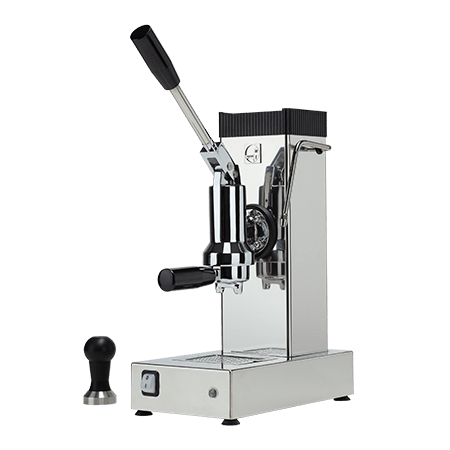
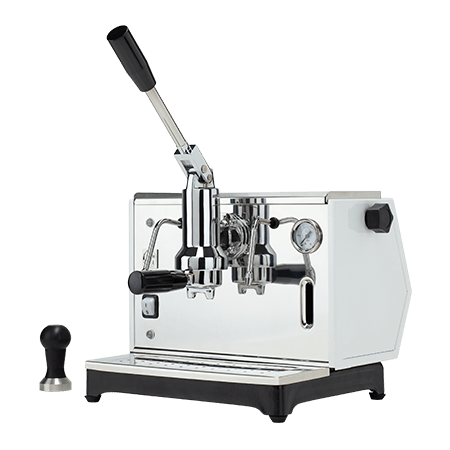
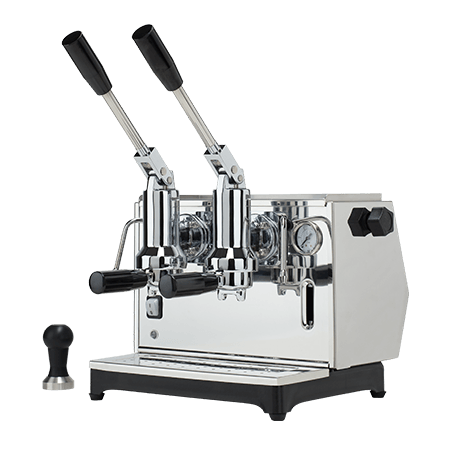
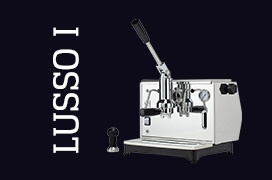
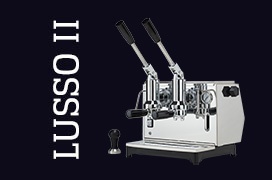
Pontevecchio’s lever machine brings out the authentic notes of coffee, providing a unique and genuine taste experience. So, are you ready to take your tasting to another level? Discover Pontevecchio machines, perfect for those who wish to experience coffee in all its essence, directly at home.