

Have you ever brought the cup to your lips expecting the usual pleasure of your coffee… only to taste something bitter, burnt, almost like ash? It’s an unpleasant sensation that can ruin the most anticipated break of the day.
However, before blaming the blend or thinking that your coffee machine needs replacing, you should know that the problem often stems from small details. In fact, burnt coffee is almost always the result of avoidable mistakes.
So let’s see how to avoid that bad taste and enjoy your super aromatic coffee.
What is “burnt coffee” and how to recognise it
“Burnt coffee” refers to a sensory profile dominated by harsh bitterness, notes of ash, and smoke that completely overwhelm the pleasant aromas (chocolate, dried fruit, flowers, spices). This can arise in two ways:
- During roasting, if the beans are roasted beyond the desired point or subjected to excessively aggressive heat curves.
- During home brewing, when heat, time, and grind are not balanced.
The result is a “flat” coffee, dry on the palate, poor in aroma and with a persistent unpleasant aftertaste.
Why coffee tastes burnt: the most common causes
Improper storage of the blend
Oxygen, light, humidity, and heat quickly degrade the volatile compounds responsible for the coffee’s bouquet. A poorly stored blend tends to oxidize and, during extraction, produces a sharp, unpleasant bitterness.
New machine and “break-in” period
A perfect extraction doesn’t happen immediately with a brand-new coffee machine. Gaskets, groups, and shower screens need a short period of use to stabilize and become “seasoned” with coffee oils.
Excessive flame or temperature
Haste is the enemy of good coffee. A high flame overheats the water, accelerates steam through the moka, and “cooks” the grounds, releasing burnt notes.
Poor maintenance: residues and limescale
Rancid oils, spent grounds left in the group, clogged filters, and limescale buildup in the system can severely alter the taste.
Water quality and mineral residue
Water that’s too hard (high calcium content) or has an unbalanced mineral profile distorts the extraction, emphasizing bitterness and astringency.
Mixing the coffee in the moka pot
The first drops are more concentrated, while the last are more diluted; without stirring, the cup becomes unbalanced.
Incorrect grind size for the brewing method
A grind that’s too fine in a moka or filter brewer slows the passage of water and leads to over-extraction. In espresso, an overly fine grind combined with high temperature “burns” the most delicate soluble compounds.
Dose, tamping, and extraction time (espresso)
Overdosing, tamping too firmly, or extracting for more than 30 seconds draws out bitter, woody compounds.
Dark or poor roasting
Some industrial blends, roasted too dark or unevenly, naturally carry smoky, burnt notes.
How to prevent a burnt taste in coffee
1) Choose and store the right coffee
- Prefer whole beans with a visible roasting date.
- Store them in airtight, one-way valve containers, away from light and heat.
- Grind only when needed: ground coffee loses aroma within minutes.
2) Control the Heat
- Moka: use low flame; fill the boiler with hot water up to the valve; remove from heat at the first bubbling; keep the lid open to monitor.
- Espresso: stabilize the machine (flush if necessary); preheat the cup; avoid overheating the group head.
- Filter coffee: use water at 92–96°C; short pre-infusion; pour in controlled stages.
3) Grind Size, Dose, and Timing
- Moka: medium-fine grind (not powdery), never tamp the coffee; fill to the rim without compressing.
- Espresso: adjust grind to achieve the desired extraction time; check brew ratio for balance.
- Filter coffee: use a coarser, uniform grind and respect the proper coffee-to-water ratio.
4) Maintenance and hygiene
- Clean portafilters, filters, gaskets, and moka boiler seals daily.
- Perform backflushing (if applicable) and use detergents specific for coffee oils.
- Descale periodically according to your water hardness.
5) Use the right water
- Use carbon filters or filtering pitchers to reduce limescale.
- Consider bottled water with a balanced mineral profile and neutral taste.
Specific tips for moka, espresso, and filter methods
Moka: gentle extraction without bitterness
- Use pre-heated water in the boiler to shorten time on the flame.
- Keep the flame low; remove as soon as extraction becomes vigorous.
- Stir the contents of the upper chamber and serve immediately.
Espresso: balance temperature and flow
- Stabilize temperature and pressure before brewing.
- Clean and dry the portafilter before each shot.
- Adjust grind and dose until achieving a “mouse tail” flow and hazelnut-colored crema, avoiding channeling.
Filter (V60, Chemex, etc.)
- Use a consistent grind; allow a 30–45 second bloom for degassing.
- Pour in multiple, steady steps to maintain an even coffee bed.
- Keep water temperature stable: boiling water will “burn” the aroma.
The importance of equipment to avoid burnt coffee
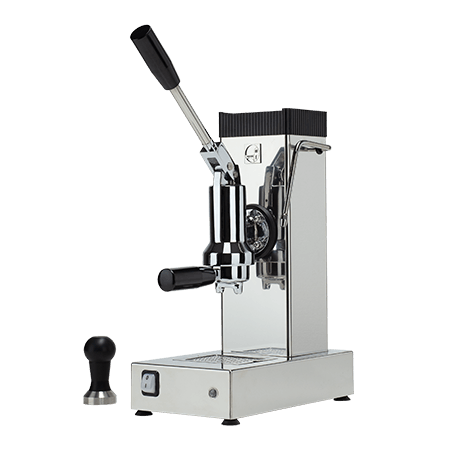
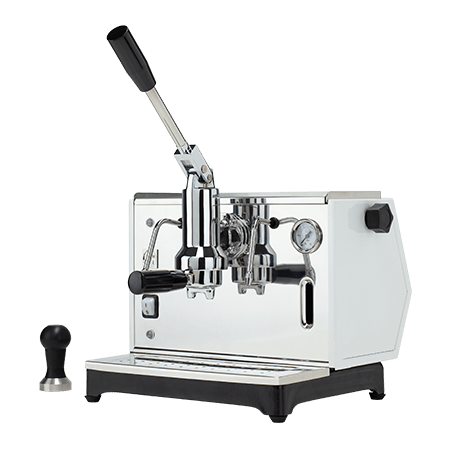
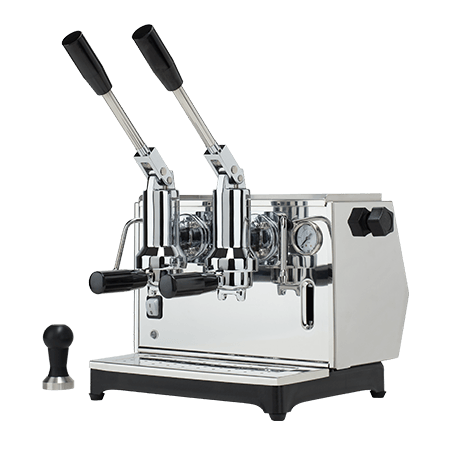
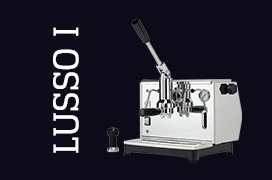
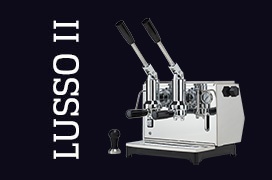
High-quality equipment allows precise control of temperature, pressure, and timing—reducing the risk of over-extraction and burnt notes. Lever espresso machines, for example, provide intuitive mechanical control over the brewing process: the pressure curve set by the lever helps modulate extraction, enhancing sweetness, clarity, and aromatic definition. The combination of artisanal craftsmanship and reliability allows every blend to shine—from classic espresso to delicate single origins.
For those seeking consistent results at home, choosing a sturdy machine, a precise grinder, and maintaining a regular cleaning routine form the foundation for a balanced espresso—free of burnt bitterness, with a stable, fragrant crema.